Consumers driving flex-fuel vehicles are paying a lot less to fill up
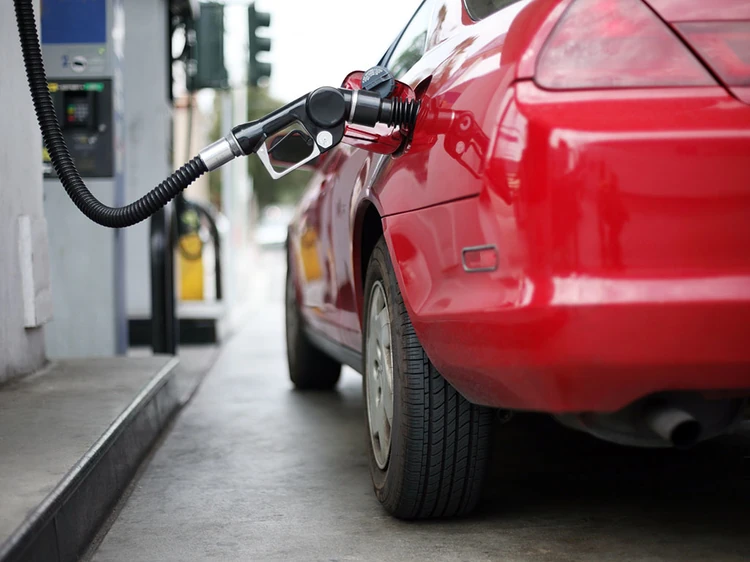
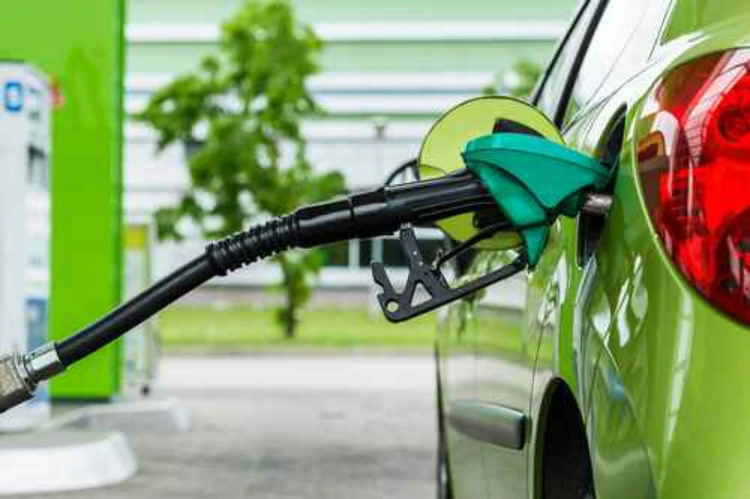
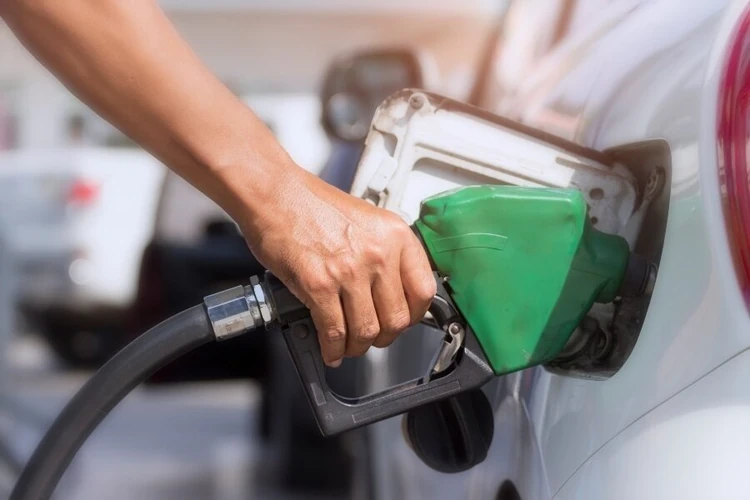
At gas stations that sell E85 fuel, or flex-fuel, consumers who are filling their tanks may be shocked at the price difference between their purchase and those who are paying for regular or premium fuel.
At some stations, the difference between E85 and regular is around 70 cents a gallon, meaning a 20-gallon fillup costs around $14 less. But unless you’re driving a vehicle specifically made for the cheaper fuel, using it can cause engine damage.
“Flexible Fuel Vehicles (FFV) are very similar to traditional gas-powered vehicles in most ways,” Mia Bevacqua, chief mechanic at CarParts.com, told ConsumerAffairs. “However, the engine management system in an FFV must be designed to monitor the fuel concentration so that engine operating parameters can be adjusted accordingly.”
Automakers embraced the technology around 2008, the last time gasoline prices hit record highs. With today’s emphasis on electric vehicles, you don’t hear much about the older technology.
Automakers unlikely to step up production
Karl Brauer, an executive analyst at iSeeCars.com, says it’s highly unlikely that automakers would pivot to turning out more FFVs, even in today’s record-high fuel price environment. Even if they wanted to, they would encounter more of the same challenges they now face.
“There’s more technology going on inside the engine compartment than with a standard car and there are more microchips involved, more advanced sensors and technology under the hood,” Brauer told ConsumerAffairs. “Just like electric cars are more difficult to make in this environment because they use more microchips, flex-fuel cars present more challenges to carmakers than traditional vehicles.”
Bevacqua agrees. While it’s true that the U.S. would be less dependent on oil if more vehicles used E85 fuel, automakers are highly unlikely to move back to the technology.
“Even though E85 might cost less per gallon than regular gasoline, FFVs tend to have a lower fuel economy rating than traditional vehicles,” she said. “E85 contains less energy than regular gasoline, resulting in higher fuel consumption. In addition, E85 is often derived from corn and other crops, which are valuable food sources.”
FFVs in demand
Bevacqua says cars with electric powertrains will also reduce the country’s dependency on oil but without tapping valuable food sources.
Consumers can still find FFVs on dealer lots, but the vehicles are likely in demand now and will carry a premium price. In addition to the reduced fuel economy, Brauer says drivers could end up buying a lot of regular gas since the availability of E85 could be an issue.
“I’m not sure how many stations sell high ethanol fuel,” he said. “Again, it’s probably similar to electric cars when it comes to infrastructure. It’s certainly not going to be as common as standard gas stations.”

NHTSA establishes new gas efficiency goal of 49 mpg by 2026
Days after reinstating fines against automakers that failed to meet fuel economy standards, the National Highway Traffic Safety Administration (NHTSA) says 49 miles per gallon will be the lowest acceptable fuel efficiency for passenger cars and light trucks by 2026.
The agency can't predict how gas prices will change until then, but it stated that the new Corporate Average Fuel Economy (CAFE) standards will make vehicle miles per gallon more efficient, save consumers money at the pump, and reduce transportation emissions.
The move should also make the White House happy. President Biden previously pledged to cut greenhouse gas emissions and reduce the nation’s dependence on oil, reducing fuel use by more than 200 billion gallons through 2050. The agency’s goals may seem lofty, but CAFE standards have worked their magic so far. Since they were signed into law in 1975, the standards have reduced American oil consumption by 25%, or approximately 5 million barrels a day.
For consumers, the new standards are somewhat of a wash. The NHTSA estimates that its action could reduce average fuel outlays over the lifetimes of model year 2029 vehicles by about $1,387. However, they will also increase the average cost of those vehicles by about $1,087.
“Today's rule means that American families will be able to drive further before they have to fill up, saving hundreds of dollars per year,” said U.S. Transportation Secretary Pete Buttigieg. “These improvements will also make our country less vulnerable to global shifts in the price of oil, and protect communities by reducing carbon emissions by 2.5 billion metric tons.”
Automakers have some work to do
In his remarks, Buttigieg said the average fuel economy of the U.S. 2021 vehicle fleet is 36 mpg. In the list of the 2022 Best and Worst Fuel Economy Vehicles by class, the closest a gas-powered vehicle comes to hitting that current mark among Minicompacts is the MINI Cooper Convertible, with a combined (city and highway) mpg of 32. As for Two-Seaters, the Mazda MX-5 tops the list at 30 mpg. Volvo’s V90CC B6 AWD leads the Midsize Station Wagon class at 25 mpg.
Doing an apples-to-apples comparison for the worst fuel economy vehicles by class, it's the pricier cars that rule the roost. The $300,000+ Bentley Continental GT Speed Convertible brings up the rear in the Minicompacts category, with only 14 mpg. Among Two-Seaters, the Bugatti Chiron Pur Sport and Super Sport average a paltry 9 mpg. Compared to Volvo’s mpg victory among Midsize Station Wagons, the Rolls-Royce Cullinan ranks as the worst with 14 mpg.
NHTSA reinstates fines against automakers that failed to meet fuel standards
The National Highway Traffic Safety Administration (NHTSA) has come down hard on automakers that manufacture gas-guzzling vehicles. In a newly released ruling, the agency stated that it is reinstating fines on automakers that failed to meet Corporate Average Fuel Economy (CAFE) requirements on 2019 models and later.
In 2012, the NHTSA established standards that required fuel economy levels for 2017-2021 model passenger cars and light trucks to be between 40.3-41.0 mpg. The Obama administration modified the policy in 2016, applying it to 2019 and later model vehicles. Current goals are set out as far as 2035, when the CAFE target is 57.6 mpg for passenger cars.
For consumers, improving fuel efficiency is a no-brainer. However, there have been challenges from industry groups who claim that pushing innovation in that direction will come at a cost. Adding fines into the equation muddles the matter even further.
The industry estimates that the newly reinstated fines could cost carmakers up to $1 billion each year, and those extra costs could affect consumers.
“The imposition of [penalties to] 2019 to 2021 vehicles actually could have deleterious environmental impacts: penalties that lead to increases in the prices of newer vehicles could discourage consumers from purchasing more efficient, cleaner vehicles.”
What automakers need to improve?
When ConsumerAffairs took a look at the Department of Transportation’s CAFE dashboard, we found that some automakers are close to hitting fuel targets and others have a long way to go.
For example, for 2020 model cars, GM missed the mark by about 4 mpg. Meanwhile, Daimler (Mercedes-Benz) missed its 41.4 mpg goal by about 7.5 mpg.
Needless to say, manufacturers that put a lot of their eggs in the electric vehicle basket are happy they did. As an example, Tesla – which often finds itself on the bad side of the NHTSA – beat its mpg goal by nearly 700 mpg.