|
|
NEWS
RECALLS
COMPLAINT FORM
SCAM ALERTS
RESOURCES
Small Claims Guide Class Actions Lemon Laws FAQ Newsletters |
Share |
| Automotive Education Employment Electronics Family Finance Health Homeowners Insurance Pets Shopping Travel |
|
|
|
![]() |
GM to Offer Rollover Airbags, Ford to Strengthen Roofs |
|||||||||||||
|
By Joe Benton December 6, 2006
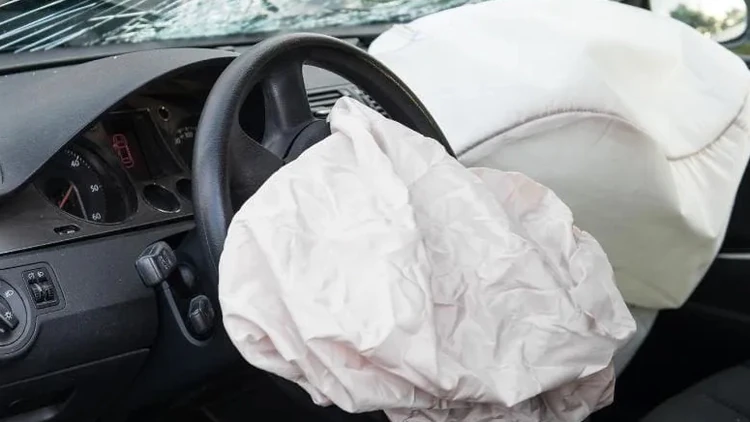
Ford, meanwhile, said it would build stronger roofs on many of its vehicles, exceeding federal safety standards. GM said it plans to perform 150 rollover tests in 2007 at a new company testing facility in a effort to understand the dynamics of rollover crashes. Despite the seriousness of rollover accidents, there are not many rollover crash tests because events that occur in a rollover are difficult to repeat. Joan Claybrook, president of Public Citizen, said it was a "positive sign that GM acknowledges the need for new vehicle designs to protect people in rollover crashes." Rollover crashes kill 10,800 and injure more than 16,000 people annually. In 2005, rollovers accounted for about 4 percent of all crashes but 33 percent of highway fatalities. Nearly 60 percent of SUV fatalities are the result of rollovers and the driver is twice as likely to die in an SUV rollover as in a car rollover. GM will use the testing to look for ways to keep people from being ejected in rollovers and develop sensors for rollover-enabled air bags, which can help reduce injuries and prevent ejections. Rollover-enabled air bags stay open for five seconds compared with the basic head curtain air bag, which offers protection for about three-tenths of a second. For more than 30 years, GM has conducted rollover tests using a dolly system. Vehicles are pulled sideways on a platform at a 23-degree angle. The new GM facility has the capacity to conduct additional types of rollover tests that simulate crashes experienced by drivers on the highway. Claybrook said GM's announcement shows automakers are prepared to move ahead even without a strong push from government regulators. "Today's announcement makes it clear that the industry is well prepared to do the kind of testing necessary under a government dynamic test standard," Claybrook said. "The Volvo XC-90 SUV manufactured since 2003 is an example of a vehicle that protects passengers in rollover crashes. It was designed using dynamic testing." Ford Roof StrengthNot to be left out, Ford Motor Co. plans to improve the roof strength of many of its larger vehicles beyond the new standards that federal regulators at the National Highway Traffic Safety Administrtaion (NHTSA) have proposed. Ford, which is facing more than $250 million in lawsuits involving SUV rollovers since 2004, told NHTSA that some versions of 11 models of its vehicles will have roofs 20 percent stronger than required. NHTSA has proposed a new roof strength standard that would require a vehicle roof to survive a force equal to 2.5 times the vehicle's weight, an increase from the current 1.5 times. The new standard requires the roof to maintain sufficient head room for a buckled-in average size adult male to avoid being struck by a crushed roof. A final rule won't be in place until late next year at the earliest; automakers will have until at least 2011 to build the stronger roofs. The Ford Expedition and the Lincoln Navigator would exceed the new standards as would some of Ford's F-250 series trucks and E-Series vans, according to Ford. Ford also has installed rollover safety canopies in 1 million vehicles now and predicts that figure will jump to 1.5 million by 2007. Ford has a string of losses in rollover lawsuits and court decisions. While the company is appealing all of the verdicts, Ford has also fought to keep its internal roof strength documents secret. GM neglected to say whether the information gleaned from this facility will be released to inform the public of vehicle performance. GM does mention the importance of seat belts but does not say whether it will offer rollover pretensioned seat belts (those that have been locked in place) in all its vehicles. Although there is no existing safety standard for seat belts in rollover crashes, the strength of the roof and the performance of the belts are the most critical safety protections in these crashes. Until these deficiencies are also addressed, drivers and passengers will continue to be put at risk of death or serious injury on our highways. * Joan Claybrook was administrator of NHTSA from 1977-1981. ###Report Your Experience
|
|||||||||||||
Back to the top | |
||||||||||||||
Advertisement
|
|
Custom Search
|
||||
|
AUTOMOTIVE Dealers Manufacturers Service Extended Warranties Lemon Laws Recalls Tires Transporters FAMILY Aging Children, Parenting Recalls Dating Education Entertainment Pets Weddings |
FINANCE Annuities Banks Credit Cards Debt Collection Debt Counseling Insurance Investing Loans Mortgages Payday Loans Student Loans Tax Prep HEALTH Doctors Drugs, Pharmacies Health Clubs Hearing Care Hospitals Nursing Homes Nutrition, Diets Vision Care Weight Loss |
HOUSE & HOME Appliances Cookware Furniture Home Improvements Lawn & Garden Movers Pools & Spas Realtors, Rental Agents Recalls Utilities ELECTRONICS Cable TV/DBS Cameras Cell Phones Computers Home Electronics Internet Access Local Phone Service Long Distance VoIP |
SHOPPING In-Home Online Retail Stores Sporting Goods Supermarkets Telemarketers TRAVEL Airlines Bus Lines Car Rental Cruises Hotels Travel Agents Trains RESOURCES Class Actions Complaint Form Small Claims Guide Lemon Laws |
CONSUMER NEWS Latest News Automotive Telecom Financial Health Homeowners Scams Seniors Travel More ... RECALLS Automotive Children's Products Drugs Food Household Products Sporting Goods ABOUT US FAQ Privacy Policy Advertise With Us Newsroom Syndication Terms of Use |
Terms of Use Your use of this site constitutes acceptance of the Terms of Use
Copyright © 2003-2009 ConsumerAffairs.com Inc. All Rights Reserved. The contents of this site may not be republished, reprinted, rewritten or recirculated without written permission. |
|