|
|
NEWS
RECALLS
COMPLAINT FORM
SCAM ALERTS
RESOURCES
Small Claims Guide Class Actions Lemon Laws FAQ Newsletters |
Share |
| Automotive Education Employment Electronics Family Finance Health Homeowners Insurance Pets Shopping Travel |
|
|
|
![]() |
Experts Concerned about Tamiflu Overuse |
|||||||||||||
|
January 4, 2007
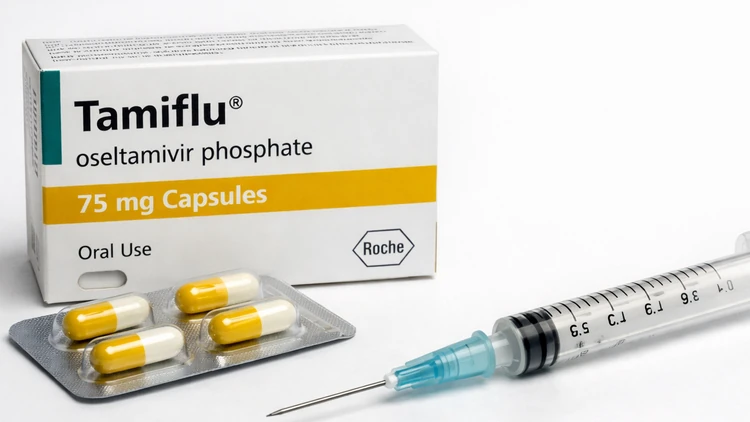
But increasingly, public health officials are concerned that widespread use of Tamiflu could have a very unwelcome side effect -- development of drug-resistant strains of the virus in wild birds. British researchers at the Centre for Ecology and Hydrology in Oxford have released findings in the January 2007 issue of Environmental Health Perspectives (EHP) that demonstrate how Tamiflu's persistence in wastewater and river water could affect the waterfowl that drink from those water sources. Since the World Health Organization's first warning of an avian flu pandemic two years ago, nations worldwide have been stockpiling Tamiflu for treatment and outbreak prevention. The drug, which minimizes flu symptoms and duration, inhibits the movement of the influenza virus from the cells it infects, and also helps uninfected people avoid contracting the flu. However, Tamiflu's active agent, the metabolite oseltamivir carboxylate (OC) would be excreted into sewers for several weeks during a pandemic and is expected to withstand biodegradation. According to the researchers in the current study, once birds drink OC-laced water from catchments receiving treated wastewater, they could produce Tamiflu-resistant strains and pass them on to other birds who share the same waters. The investigators analyzed 11 waterway catchments in the United States and 5 in England using a metabolic pathway prediction system to determine the potential biodegradability of OC. They also measured wastewater discharges into the catchments. They estimated the number of clinically infected people in each catchment area treated with a full 5-day course of Tamiflu with 100% compliance, assuming that 80% of the ingested Tamiflu was released into sewer systems as OC and that all of the OC entering each catchment was flushed out in one day. Their estimates showed a maximum concentration well above that required for development of resistance in vitro for 62 consecutive days in the arid Lower Colorado River catchment area. Overall, the researchers say that because of the lower population density for many of the U.S. catchments, peak concentrations of OC in a pandemic would be approximately 10 times less than the concentrations in British rivers. All but one of the American catchments studied are larger than those in Britain and, with the exception of the Lower Colorado River flow area, have more available dilution per person in each given population. There were no specific ecotoxicological risks from Tamiflu identified at the time the drug was submitted for approval to the European Medicines Agency. The authors, however, suggest that the ecotoxicological risk associated with Tamiflu use needs to be reassessed in light of the hundreds of millions of courses that would be consumed globally during a pandemic. The authors warn that, with the release of the uniquely structured, biochemically resistant OC antiviral into river water, "the range of OC concentrations predicted . . . will have uncharacterized ecotoxicological consequences." They call for more detailed water contamination modeling, especially in high-risk areas of the world such as Southeast Asian countries, where there is more frequent human-to-waterfowl contact and where future use of Tamiflu would be significant. They also recommend development of methods to minimize the release of OC into wastewater systems, such as biological and chemical pretreatment in the toilet. Report Your Experience
|
|||||||||||||
Advertisement
|
|
Custom Search
|
||||
|
AUTOMOTIVE Dealers Manufacturers Service Extended Warranties Lemon Laws Recalls Tires Transporters FAMILY Aging Children, Parenting Recalls Dating Education Entertainment Pets Weddings |
FINANCE Annuities Banks Credit Cards Debt Collection Debt Counseling Insurance Investing Loans Mortgages Payday Loans Student Loans Tax Prep HEALTH Doctors Drugs, Pharmacies Health Clubs Hearing Care Hospitals Nursing Homes Nutrition, Diets Vision Care Weight Loss |
HOUSE & HOME Appliances Cookware Furniture Home Improvements Lawn & Garden Movers Pools & Spas Realtors, Rental Agents Recalls Utilities ELECTRONICS Cable TV/DBS Cameras Cell Phones Computers Home Electronics Internet Access Local Phone Service Long Distance VoIP |
SHOPPING In-Home Online Retail Stores Sporting Goods Supermarkets Telemarketers TRAVEL Airlines Bus Lines Car Rental Cruises Hotels Travel Agents Trains RESOURCES Class Actions Complaint Form Small Claims Guide Lemon Laws |
CONSUMER NEWS Latest News Automotive Telecom Financial Health Homeowners Scams Seniors Travel More ... RECALLS Automotive Children's Products Drugs Food Household Products Sporting Goods ABOUT US FAQ Privacy Policy Advertise With Us Newsroom Syndication Terms of Use |
Terms of Use Your use of this site constitutes acceptance of the Terms of Use
Copyright © 2003-2009 ConsumerAffairs.com Inc. All Rights Reserved. The contents of this site may not be republished, reprinted, rewritten or recirculated without written permission. |
|