
|
|
NEWS
RECALLS
COMPLAINT FORM
SCAM ALERTS
RESOURCES
Small Claims Guide Class Actions Lemon Laws FAQ Newsletters |
Share |
| Automotive Education Employment Electronics Family Finance Health Homeowners Insurance Pets Shopping Travel |
|
|
|
![]() |
Asthma Patients Pay the Price for Ozone ProtectionPolluters Can Pollute Away but Asthma Victims Must Pay Up |
|||||||||||||
|
March 29, 2007
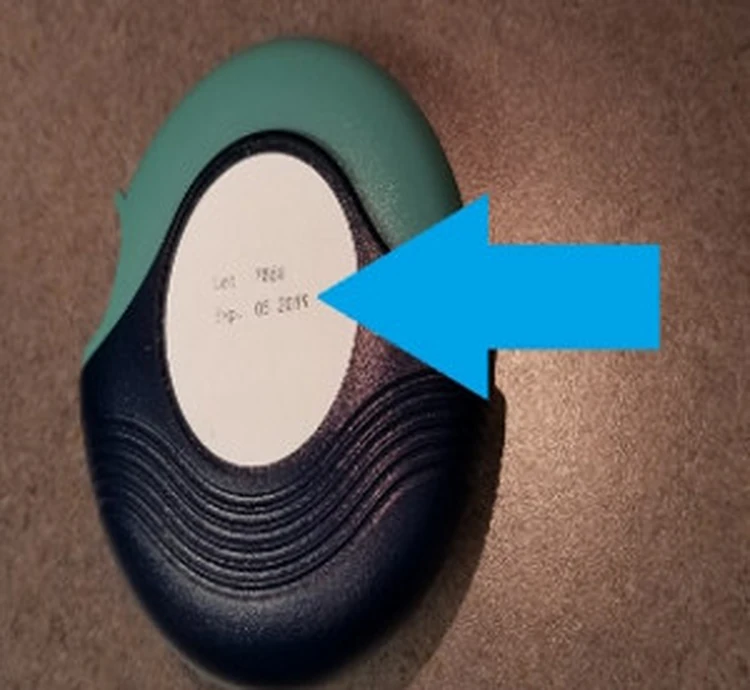
A study in the March 29 New England Journal of Medicine finds the new inhalers effective, but expensive. Conducted by two university professors and a director for the Food and Drug Administration, the review examines the consequences of switching to hydrofluoroalkane, which is replacing chlorofluorocarbon, or CFC, as a key ingredient in albuterol inhalers designed to relieve asthma. The FDA has ruled that U.S. sales of CFC albuterol inhalers be prohibited after 2008. About 52 million prescriptions are filled for albuterol each year in the United States, with most containing a generic version of CFC. But because of rising global concerns about CFC's ozone-depleting effects, "medically essential" inhalers are finally joining a list of banned products that started in 1978. The researchers say their analyses show that inhalers with CFC and the new brands that contain hydrofluoroalkane, or HFA, are equally effective at treating asthma. "Hopefully, by communicating with health-care professionals, we'll be able to reassure patients," said Leslie Hendeles, the University of Florida professor of pharmacy and pediatrics who spearheaded the review. Albuterol, one of the medicines that relieve asthma attacks, is the seventh most commonly prescribed drug in the United States. Because it's so widely used, the report predicts Americans will spend an additional $1.2 billion a year on three patented inhaler brands containing the new propellant (Ventolin, ProAir and Proventil) until generic versions reach pharmacies, probably after 2012. Patients who pay for their own medications will probably be hit hardest by new costs -- paying on average $26 more per prescription, or $312 more per year -- but people with prescription benefit plans will likely face higher co-pays as well, according to the review. Additionally, while the new inhalers are just as effective as their traditional CFC counterparts, a few differences have been reported. One brand, for example, comes sealed in a protective pouch. After that pouch is opened, the drug carries a shelf life of just two months, while most inhalers can typically be stored for 15 to 24 months, Hendeles said. Consumers will also notice that only the Ventolin brand of HFA inhaler comes with a counter to track how much medicine is left. For that reason, Hendeles suggests keeping a backup inhaler handy if physicians prescribe a device without a counter. "There isn't any reliable way of estimating when they're going to run out," said Hendeles, who also serves as a consultant to the FDA. The review also reports that some HFA inhalers tend to clog more easily. To prevent clogging in HFA inhalers, Hendeles advised patients to remove the devices' metal canister once a week and clean the plastic actuators with warm water. Not all of the new HFA inhaler products are ideal for everyone and health-care providers and their patients should be aware of important differences. Two brands of HFA inhalers contain ethanol. It may not be an appropriate therapy choice depending on the patient's religious beliefs, and can temporarily cause a false reading on breath alcohol tests performed by law enforcement agencies, Hendeles said. Hendeles noted that CFC inhalers release negligible amounts of the propellant, and do not pose a threat to ozone depletion. However, the United States joined more than 185 other countries in signing the Montreal Protocol, an international treaty requiring complete withdrawal of all CFC products. The inhaler, deemed medically necessary, was exempt until new market replacements using HFA became available. Hendeles said he hopes the review will dispel myths about HFA for doctors and patients. Still, even though HFA inhalers are safe for the environment and effective at treating asthma, some people may feel uncomfortable when making the switch. HFA inhalers spew slower and warmer plumes of medicine than their CFC counterparts, so asthma patients may fear their new inhalers aren't strong enough. "There undoubtedly will be some people who are absolutely certain it doesn't work as well," Hendeles said, adding that patient education is the key to proper care. Dr. Rachel L. Miller, an assistant professor of clinical medicine and public health at Columbia University, said she would urge asthma patients to consult their pharmacist or health-care provider if they're nervous about using the new inhalers. "It's really the same drug," said Miller, who has worked with both CFC and HFA inhalers. "I have found both of them, in my personal experience, seem to work fine." Report Your Experience
|
|||||||||||||
Advertisement
|
|
Custom Search
|
||||
|
AUTOMOTIVE Dealers Manufacturers Service Extended Warranties Lemon Laws Recalls Tires Transporters FAMILY Aging Children, Parenting Recalls Dating Education Entertainment Pets Weddings |
FINANCE Annuities Banks Credit Cards Debt Collection Debt Counseling Insurance Investing Loans Mortgages Payday Loans Student Loans Tax Prep HEALTH Doctors Drugs, Pharmacies Health Clubs Hearing Care Hospitals Nursing Homes Nutrition, Diets Vision Care Weight Loss |
HOUSE & HOME Appliances Cookware Furniture Home Improvements Lawn & Garden Movers Pools & Spas Realtors, Rental Agents Recalls Utilities ELECTRONICS Cable TV/DBS Cameras Cell Phones Computers Home Electronics Internet Access Local Phone Service Long Distance VoIP |
SHOPPING In-Home Online Retail Stores Sporting Goods Supermarkets Telemarketers TRAVEL Airlines Bus Lines Car Rental Cruises Hotels Travel Agents Trains RESOURCES Class Actions Complaint Form Small Claims Guide Lemon Laws |
CONSUMER NEWS Latest News Automotive Telecom Financial Health Homeowners Scams Seniors Travel More ... RECALLS Automotive Children's Products Drugs Food Household Products Sporting Goods ABOUT US FAQ Privacy Policy Advertise With Us Newsroom Syndication Terms of Use |
Terms of Use Your use of this site constitutes acceptance of the Terms of Use
Copyright © 2003-2009 ConsumerAffairs.com Inc. All Rights Reserved. The contents of this site may not be republished, reprinted, rewritten or recirculated without written permission. |
|