Blue Ridge Beef recalls Puppy Mix and Kitten Mix
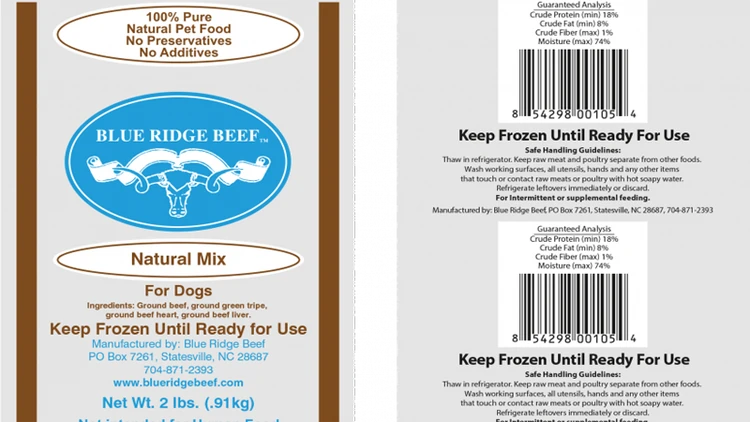
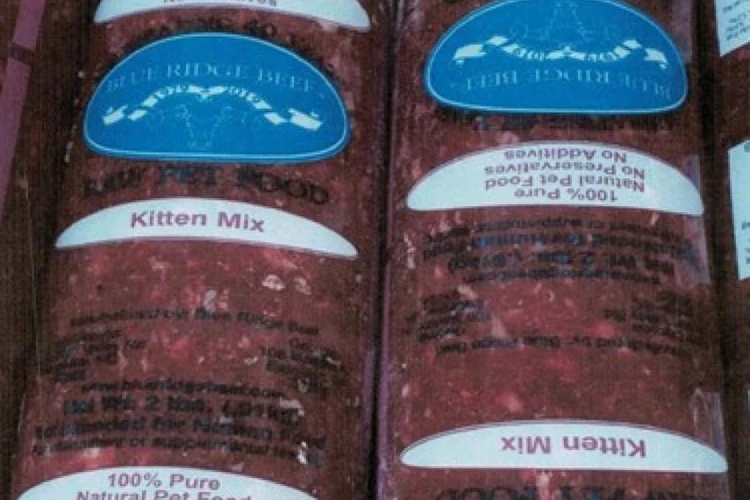
Blue Ridge Beef has issued a voluntary recall for its Puppy Mix and Kitten Mix products after state agricultural departments and labs confirmed contamination with Salmonella and Listeria monocytogenes.
The issue came to light following reports of pet illnesses. The products were distributed in Connecticut, Massachusetts, Maryland, New York, Pennsylvania, Rhode Island, Tennessee, Virginia, and Wisconsin.
Around 2,460 pounds of the affected 2-lb logs were sold between January 3, 2025, and January 24, 2025. The company is removing the affected items from shelves and working with regulators to resolve the matter.
What to look for?
Product name and description:
- Puppy Mix (sold in 2-lb logs)
- Kitten Mix (sold in 2-lb logs)
- Packaged in clear plastic with the Blue Ridge Beef logo
Identifiers:
- Puppy Mix:
- Lot Number: N25 1230
UPC: 854298001169
Kitten Mix:
- Lot Number: N26 0114
- UPC: 8542980011436
Lot numbers can be found on the log packaging. The UPC is located on the product label.
Affected purchase locations and dates:
- Sold in Connecticut, Massachusetts, Maryland, New York, Pennsylvania, Rhode Island, Tennessee, Virginia, and Wisconsin
- Distributed between January 3, 2025, and January 24, 2025
What should buyers do?
Product handling:
- Stop feeding the Puppy Mix or Kitten Mix to pets immediately
- Destroy any remaining product so that children, pets, or wildlife cannot access it
Refunds, replacements, or repairs:
- Contact the company at 704-873-2072 (Monday through Friday, 8:00 AM – 5:00 PM EST) or email blueridgebeefnc@yahoo.com to request a refund or discuss replacement options
Health and safety advice:
- Watch for signs of illness in pets, such as lethargy, diarrhea, fever, vomiting, or loss of appetite
- If any person or pet shows symptoms after handling or consuming the product, seek medical or veterinary guidance promptly
Sources
- FDA recall notice
- FDA updated recall notice
Possible bird flu contamination prompts cat food recall
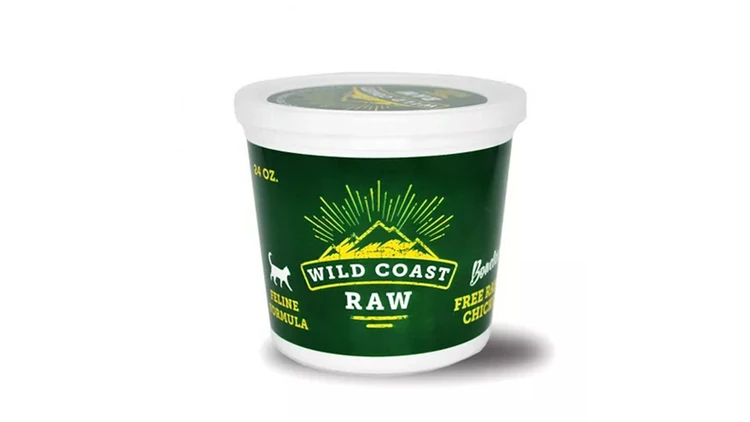
Wild Coast Raw is recalling lots of frozen Boneless Free Range Chicken Formula raw pet food for cats because it has the potential to be contaminated with highly pathogenic avian influenza H5N1, also known as bird flu. H5N1 can be transmitted to animals eating contaminated product.
The product, 16 oz. and 24 oz. Frozen Boneless Free Range Chicken Formula raw pet food for cats was distributed to pet food retailers in Washington State and Oregon. The product is frozen in a small round white plastic container with a green label.
The affected lots are identified by a sticker on the lid with a number of #22660, #22653, #22641, #22639, #22672 and #22664 with a Best Buy date of 12/25. The recall is widened to include any raw material sharing similar production dates and lot codes as #22660 and #22664. These two lot codes were included in the WSDA’s public health alert on 2/14.
People who fed pets the recalled products should watch for symptoms of bird flu in their pets, including fever, lethargy, low appetite, reddened or inflamed eyes, discharge from the eyes and nose, difficulty breathing, and neurological signs like tremors, stiff body movements, seizure, lack of coordination, or blindness. People with pets exhibiting these signs after feeding this product should contact their veterinarian.
What to do
While no human infections have been identified among people handling raw pet food products, people can become infected if the virus gets into a person’s eyes, nose, or mouth. People should wash their hands after handling the raw product and sanitize contact surfaces such as countertops, refrigerators, bowls, or utensils.
People who handled contaminated products should watch for symptoms of bird flu, including eye redness or irritation (conjunctivitis), cough, sore throat, sneezing, runny/stuffy nose, muscle/body aches, headaches, fatigue, fever, trouble breathing, seizures, rash, diarrhea, nausea, and/or vomiting. People exhibiting these signs after having contact with this product should contact their healthcare provider and local health department.
The recall was initiated after sampling conducted by the Oregon Department of Agriculture revealed the presence of the same strain of H5N1 in the affected cats and these products as well as sampling by the Washington State Department of Agriculture. Wild Coast Raw and the Washington State Department of Agriculture continue to work collaboratively to address the source of the problem.
Do not sell or donate the recalled products. Do not feed the recalled product to pets or any other animals. Consumers who have purchased this product are urged to immediately and securely discard to prevent animals and wildlife from consuming the recalled product. Contact your place of purchase for a full refund. For more information contact Wild Coast Raw at info@wildcoastraw.com or (360) 591-3543 between 8 am – 4 pm PST.