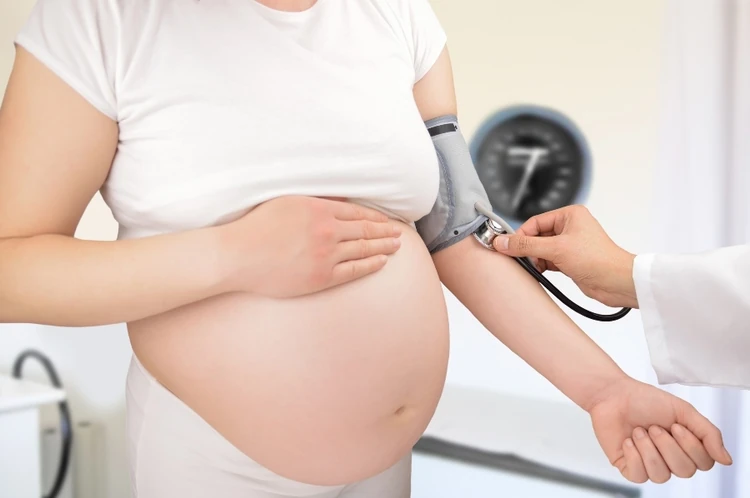
A new study conducted by researchers from Rutgers University explored one of the biggest factors impacting the maternal death rate. According to their findings, chronic hypertension was responsible for the rise in maternal death.
“Overall hypertension-associated deaths declined in the U.S. over the last 40 years, but this decline is restricted to women who have preeclampsia/eclampsia as the cause,” said researcher Cande V. Ananth.
“If you isolate the data on women who have chronic hypertension, which is defined as a preexisting hypertensive condition or hypertension diagnosed within the first 20 weeks of pregnancy, as a cause, mortality rates have increased quite substantially – on average, by about 9.2% per year over the last 40 years. So it is the chronic hypertension that has really driven the maternal mortality trends in the U.S. over the last 40 years.”
Racial and age-related disparities in heart health
For the study, the researchers analyzed the health outcomes of women who gave birth in the United States between 1979 and 2018. They looked at factors such as race, age, and history with hypertension before, during, and after pregnancy.
Over the course of the study, the maternal mortality rate was 2.1 per 1,000,000 births. However, the researchers learned that the same figure was nearly four times higher for Black women than white women. Experts say risk factors related to high blood pressure, as well as limited access to health care, may be the reason behind this racial disparity.
“Black women were anywhere from three- to four-fold increased risk of dying from a hypertension-related cause compared to White women in the United States, and this disparity has persisted for the last 40 years,” Ananth said.
The study also showed that age may play a role in the maternal death rate. When older women gave birth and were also in poor health, the risk of death related to high blood pressure was higher.
Finding better treatments for women
The goal moving forward is to better identify, monitor, and treat women who may be at a higher risk of developing chronic hypertension. The team says lifestyle interventions – such as following healthier diets, consuming less alcohol, and eliminating smoking – and the use of blood pressure medications may be necessary to see results.
“We have gotten much better at treating women with preeclampsia/eclampsia during pregnancy, which has undoubtedly contributed to the decline in maternal death rates, but we haven’t done as good a job in treating women with chronic hypertension,” said Ananth. “Part of that is because many of these women come in undiagnosed, and it’s often problematic to treat women with drugs to reduce their blood pressure, particularly early in pregnancy, so there’s a conflict of what’s the right approach.
“Women who have any obstetrical complications, particularly hypertension-related complications, should be monitored very closely during the course of pregnancy and delivery, as well as in the postpartum period,” he added. “Following these women after pregnancy is crucial.”