CONSUMER NEWS    RECALLS    COMPLAINT FORM    SCAM ALERTS  


Complain about a product or service

Small Claims Guide | Class Actions | Lemon Law | FAQ | Resources | Newsletters | Spanish
Automotive    Education    Electronics    Family    Finance    Health    Homeowners    Shopping    Travel   
NEWS   Latest |  Archives |  Auto |  Cells, etc. |  Computers |  Financial |  Health |  Homeowners |  Parents |  Privacy |  Scams |  Seniors |  Travel

Midsize Side Impact Tests Show Safety Improvements

Seven models get highest rating for occupant protection


Advertisement

By Joe Benton
ConsumerAffairs.com

April 10, 2008

IIHS-Auto Safety

Nissan Murano Leads SUV Safety Test
Lexus EX35, Cadillac CTS Named Top Safety Picks
Nissan Quest Worst Performer in Minivan Bumper Test
Study: Crash Tests Predict Fatalities In Cars, Not Trucks
Top Safety Awards Go to 34 Cars, SUVs and a Pickup
Midsize SUVs Perform Poorly in Side Impacts
BMW 5 Series Performs Poorly in New Impact Test
Luxury Cars a "Mediocre Lot" in Low-Speed Collisions
Light Trucks Vulnerable to Whiplash
---
More IIHS Tests

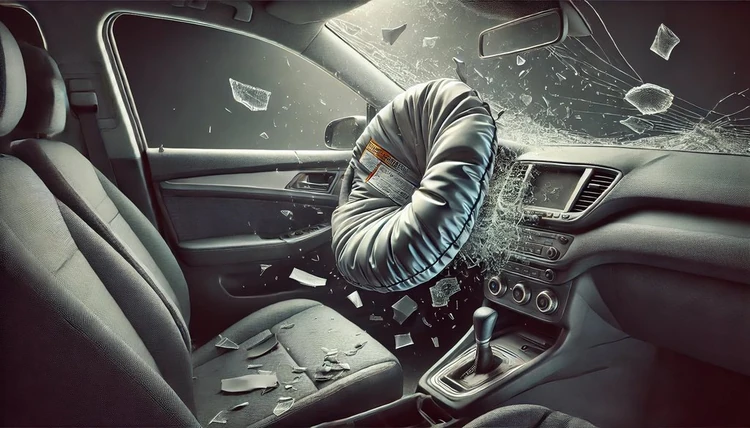
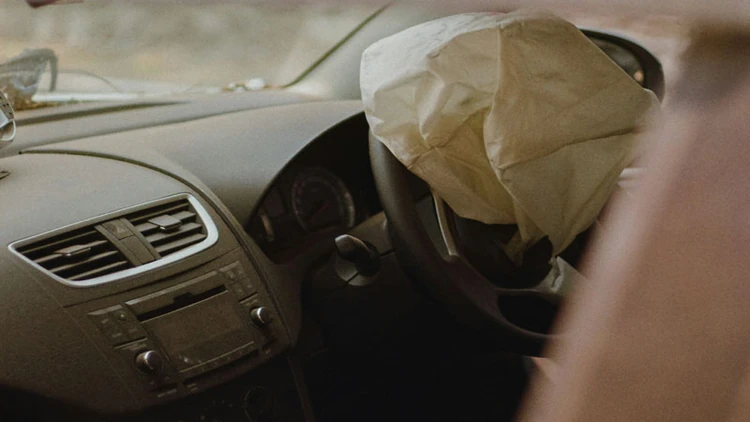
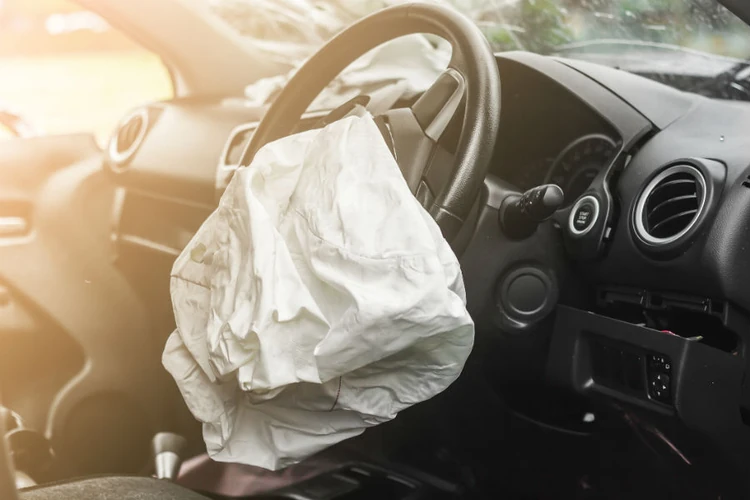
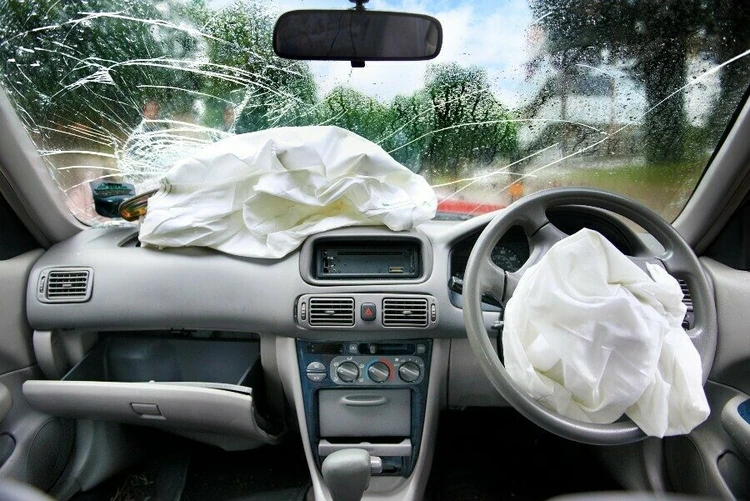
Midsize cars are providing more protection for occupants in side impact crashes as automakers introduce safer designs and add side airbags as standard equipment, according to the Insurance Institute for Highway Safety.

IIHS recently completed front, side, and rear tests of seven 2008 model midsize cars. They are the Chevrolet Malibu, Dodge Avenger, Infiniti G35, Kia Optima, Mitsubishi Galant, Nissan Altima, and Saturn Aura.

All the cars tested earned the highest rating of good for occupant protection in frontal crashes.

All but the Kia Optima earned the top rating of good for side crash protection. The good rating for the Malibu applies to cars built after February 2008.

"The side impact results represent a huge change from just four years ago," said Institute senior vice president David Zuby. "In 2004 we tested 10 mid-size moderately priced cars, and all 10 were rated poor in their standard configurations without side airbags."

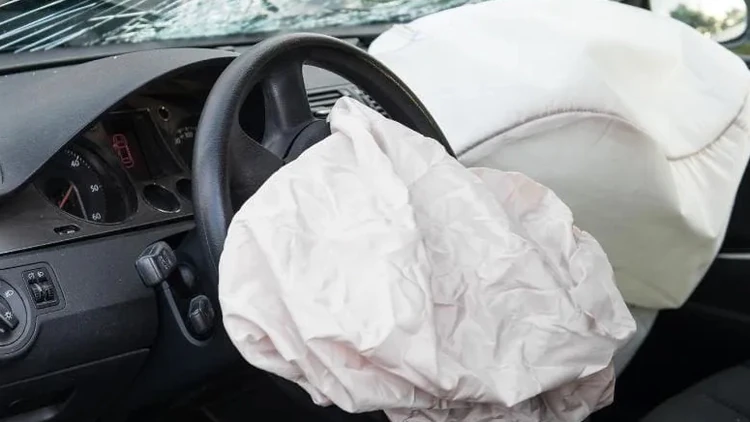
"Side airbags were mostly optional in our first round of side impact tests of midsize cars," Zuby said. "A major change is that side airbags are standard in every one of the seven midsize cars we tested this time around. Auto manufacturers have been moving quickly to make side airbags standard, even on lower priced models."

When the Institute tested the Avenger's predecessor, the Dodge Stratus, without optional side airbags the car earned a poor rating for protecting people in side crashes.

The safety cage didn't hold up well, resulting in intrusion into the occupant compartment. The driver dummy's head was struck by the intruding barrier, and injury measures recorded on the dummy indicate that broken ribs and a fractured pelvis would be likely to occur in a real-world crash of similar severity.

Chrysler redesigned this car as an early 2008 model, renaming it the Avenger, which also is sold as the Chrysler Sebring. Front and rear head curtain air-bags and front seat-mounted torso airbags now are standard equipment.

The Avenger's performance in the side test is "dramatically improved compared with the Stratus," Zuby said.

The new model kept intrusion into the occupant compartment to a minimum. The side curtain airbag protected the driver dummy's head from being struck by the barrier.

The 2004 Optima was rated poor for occupant protection in side impacts, even with the standard combination side airbags designed to protect front-seat occupants' heads and chests.

Measures recorded on the driver dummy indicate that rib fractures and internal organ injuries would be likely to occur in a real-world crash of similar severity. The rear passenger dummy's head was struck by the windowsill and the pillar behind the rear door.

Rear crash protection results varied more widely and the ratings for the midsize cars were not as impressive. The seat and head restraints in the Optima were the only ones IIHS tested that earned the top rating of good for occupant protection in rear crashes.

”When a vehicle is struck in the rear and driven forward, its seats accelerate occupants' torsos forward. Unsupported, an occupant's head will lag behind the forward torso movement, and the differential motion causes the neck to bend and stretch.” IIHS warned. “The higher the torso acceleration, the more sudden the motion, the higher the forces on the neck, and the more likely a neck injury is to occur.”

The key to reducing whiplash injury risk, according to the IIHS, is to keep the head and torso moving together.

"In stop and go commuter traffic, you're more likely to get in a rear-end collision than any other kind of crash," Zuby said. "It's not a major feat of engineering to design seats and head restraints that afford good protection in these common crashes."


Report Your Experience
If you've had a bad experience -- or a good one -- with a consumer product or service, we'd like to hear about it. All complaints are reviewed by class action attorneys and are considered for publication on our site. Knowledge is power! Help spread the word. File your consumer report now.


Consumer News

May 12 2008

Recent Recalls & Safety Alerts

READER SERVICES

Print, Email & More

Subscribe

Free consumer newsletters
Sign up now!


More automotive videos ...


Back to the top |

Advertisement


Home | Rogues Gallery | Good Guys | Complaint Form | News | Recalls | Search | Video | FAQ |
Consumer Resources | Small Claims Guide | Lemon Law | Newsletter | Contact Us
Advertise With Us | Testimonials | Newsroom | RSS Feeds | Radio | Job Postings


Terms of Use Your use of this site constitutes acceptance of the Terms of Use

Advertisements on this site are placed and controlled by outside advertising networks. ConsumerAffairs.com does not evaluate or endorse the products and services advertised. See the FAQ for more information.

Company Response Welcome If complaints about your company appear on our site, we welcome your response. Please see the Response Form for more information.

For more information, see the FAQ and privacy policy. The information on this Web site is general in nature and is not intended as a substitute for competent legal advice.  ConsumerAffairs.com Inc. makes no representation as to the accuracy of the information herein provided and assumes no liability for any damages or loss arising from the use thereof. 

Copyright © 2003-2008 ConsumerAffairs.com Inc.  All Rights Reserved.