CONSUMER NEWS    RECALLS    COMPLAINT FORM    SCAM ALERTS  


Complain about a product or service

Small Claims Guide | Class Actions | Lemon Law | FAQ | Resources | Newsletters | Spanish
Automotive    Education    Electronics    Family    Finance    Health    Homeowners    Shopping    Travel   
NEWS   Latest |  Archives |  Auto |  Cells, etc. |  Computers |  Financial |  Health |  Homeowners |  Parents |  Privacy |  Scams |  Seniors |  Travel

Cable, Telco Interests Sit Out Net Neutrality Hearing

Comcast leaves field to neutrality supporters


By Martin H. Bosworth
ConsumerAffairs.Com

April 20, 2008 

Net Neutrality
Internet Providers Ponder Bandwidth Limits For Heavy Users
Comcast, Cox Caught Blocking BitTorrent
Will Antitrust Law Save Net Neutrality?
Few Are Neutral in Net Neutrality Battles
Net Neutrality Supporters Testify
Comcast Blocks Public From FCC Hearing
Congress Gets Net Neutrality Legislation
Time Warner To Test Metered Pricing For Broadband
House Committee To Probe FCC
FCC To Investigate Comcast For Blocking Net Traffic
Verizon Wireless Opens Network to All Devices, Software
Comcast Sued Over Internet Blocking
Verizon Overrides Internet Searches With Its Own Results
Comcast Blocks Subscribers From Some Services
Verizon's Abortion Block Raises Net Neutrality Concerns
FTC Nixes Net Neutrality
Wireless Spectrum May Hold Key To Net Neutrality
Telcos Lift Block On FreeConference.Com
FCC Takes Another Look at Net Neutrality
AT&T Blocks Calls To Competing Conference Call Service
Study: Ending Net Neutrality Would Hurt Consumers
FCC, FTC Challenged To Protect Net Neutrality
Net Neutrality Back on Congress' Agenda
Net Neutrality Opponents Step Up PR Blitz
AT&T Trumpets New TV Service
Verizon Joins BellSouth in Retreat From Unexplained New DSL Fee
FCC Nudges BellSouth Into Giving Up New DSL Fees
FTC Head Urges "Caution" On Net Neutrality
Net Neutrality May Derail Telecom Bill
Google: No Net Neutrality Means Antitrust Fight
Senate Prepares for Net Neutrality Showdown
Congress Moves Quickly To Satisfy Telecoms' Net Neutrality, Cable Entry Demands
Net Neutrality Gets Its Day In Congress
Net Neutrality Wins Committee Vote In Congress
Net Neutrality Attracts Surprising Allies
Congress Wrestles with Net Neutrality

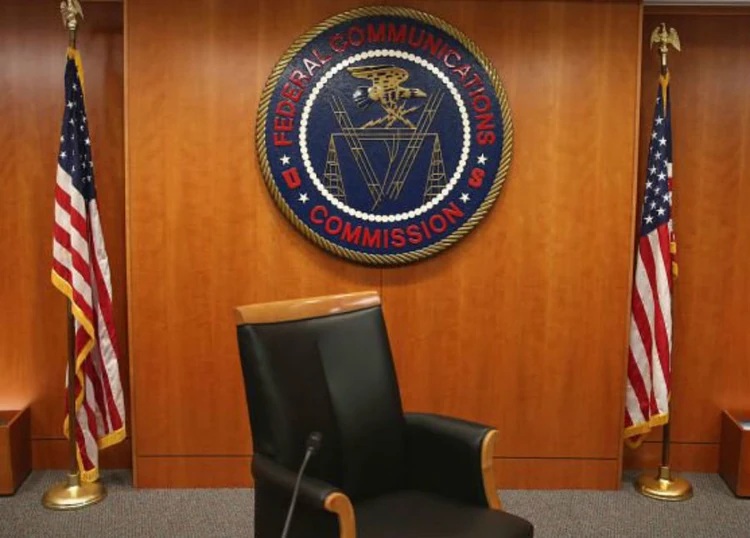
The Federal Communications Commission (FCC) held its second hearing on managing Internet networks and "net neutrality" at Stanford University last week -- and this time, the ball was squarely in the court of supporters of equal access to the Internet.

While the previous hearing, held in Cambridge, Massachusetts in February, was marred by Comcast's controversial tactic of paying people off the street to fill seats and block opponents from getting in, the second hearing was marked by an absence of representatives from cable and telecom companies alike, giving freer reign to speakers like Ben Scott of media watchdog group Free Press.

"There are two competing visions for the future of the Internet -- open versus closed. Will we embrace the openness that has shaped the Internet to the present day?" Scott asked. "Or will we permit network owners to move to the closed systems of content control we have had with cable television and broadcasting? It is not hyperbole to say that few choices in the history of the FCC carry as much weight as this one does."

Several of the FCC commissioners attending were sympathetic to Scott's view.

Democratic member Michael Copps, in his testimony,, said "that wonderful, open and dynamic Internet — perhaps the most liberating technology since the printing press, if not even greater than that — is, in fact, under threat.  Its future is not on autopilot and, indeed, powerful interests would bring it under their control for their own purposes — which may not be your purposes."

Other members of the Commssion were more wary.

Republican Deborah Tate used her testimony to warn that unfettered file-sharing networks could lead to greater spreading of child pornography over the Internet.

"I want to make sure that we weigh the unintended consequences of any regulatory action we may take regarding more openness with these successful voluntary steps to use not just reasonable but extraordinary network management and technologies to fight crime rather than harbor and encourage it," she said.

Stanford law professor Lawrence Lessig, a longtime net neutrality advocate, testified that the economic gains reaped from the Internet were due in no small part to its openness. He encouraged the commissioners to adopt rules to ensure beneficial participation for carriers.

“You have to make it so playing the games is not a good business model for them,” Lessig said. “If we really didn’t have a reason to worry that they were playing games [with network management], then what they did inside their networks would be of less concern.”

Comcast's long shadow

Although Comcast declined to appear at the hearing, its actions loomed large over the course of the discussion. It was the discovery that Comcast was blocking access to BitTorrent that reignited the net neutrality debate, leading to lawsuits against the cable giant and a promised investigation by the FCC. 

In an attempt to deflect the investigation before it got underway, Comcast and BitTorrent struck an agreement that the file-sharing company would work with Comcast to develop processes to manage Internet networks without blocking access.

More recently, Comcast and Pando, another company that markets peer-to-peer (P2P) software, announced that they had collaborated to create a "P2P Bill Of Rights and Responsibilities" that would "clarify what choices and controls consumers should have when using P2P applications as well as what processes and practices ISPs should use to manage P2P applications running on their networks."

Consumer activist groups and technology experts were skeptical of Comcast's friendlier stance.

Public Knowledge's Gigi Sohn called the Comcast-Pando agreement "ludicrous," adding, "This so-called agreement is simply another way for Comcast to try to evade punishment for its blocking and degrading of peer-to-peer services for its customers. As with the ‘agreement’ with BitTorrent, today’s announcement is long on rhetoric and short on detail."

Even with the conciliatory gestures of Comcast and other big players in the network space, the BitTorrent scandal led to renewed Congressional hearings discussing right of equal access to Internet content, and the introduction of new legislation to add net neutrality to the Communications Act of 1934 as a guiding principle, while mandating the FCC to investigate any claims of blocked access.


Report Your Experience
If you've had a bad experience -- or a good one -- with a consumer product or service, we'd like to hear about it. All complaints are reviewed by class action attorneys and are considered for publication on our site. Knowledge is power! Help spread the word. File your consumer report now.


Consumer News

July 9 2008

Recent Recalls & Safety Alerts

Print, mail, etc.


FREE CONSUMER NEWSLETTERS

The Daily Consumer
Afternoons M-F

Sign up now!


Consumer News & Alerts
Every Sunday

Sign up now!


Knowledge is free.
Knowledge is power.


Back to the top |

Advertisement


Home | Rogues Gallery | Good Guys | Complaint Form | News | Recalls | Search | Video | FAQ |
Consumer Resources | Small Claims Guide | Lemon Law | Newsletter | Contact Us
Advertise With Us | Testimonials | Newsroom | RSS Feeds | Radio | Job Postings


Terms of Use Your use of this site constitutes acceptance of the Terms of Use

Advertisements on this site are placed and controlled by outside advertising networks. ConsumerAffairs.com does not evaluate or endorse the products and services advertised. See the FAQ for more information.

Company Response Welcome If complaints about your company appear on our site, we welcome your response. Please see the Response Form for more information.

For more information, see the FAQ and privacy policy. The information on this Web site is general in nature and is not intended as a substitute for competent legal advice.  ConsumerAffairs.com Inc. makes no representation as to the accuracy of the information herein provided and assumes no liability for any damages or loss arising from the use thereof. 

Copyright © 2003-2008 ConsumerAffairs.com Inc.  All Rights Reserved.