- A 4-month-old baby boy died after being left in a vehicle in Williamsburg County, South Carolina, earlier this week.
He is at least the 24th child nationwide to die in a hot car in 2025, according to Kids and Car Safety.
Safety advocates warn that federal regulators are more than a year overdue on implementing life-saving technology mandated by Congress.
Authorities confirmed that a 4-month-old infant boy died on August 25 after being left inside a vehicle in South Carolina. The case marks at least the 24th child hot car death this year in the United States, continuing a tragic pattern that has claimed more than 1,150 young lives since 1990.
According to the nonprofit Kids and Car Safety, the vast majority of victims are 3 years old or younger, with more than half unknowingly left behind by otherwise responsible parents or caregivers.
Death toll continues to rise despite available technology
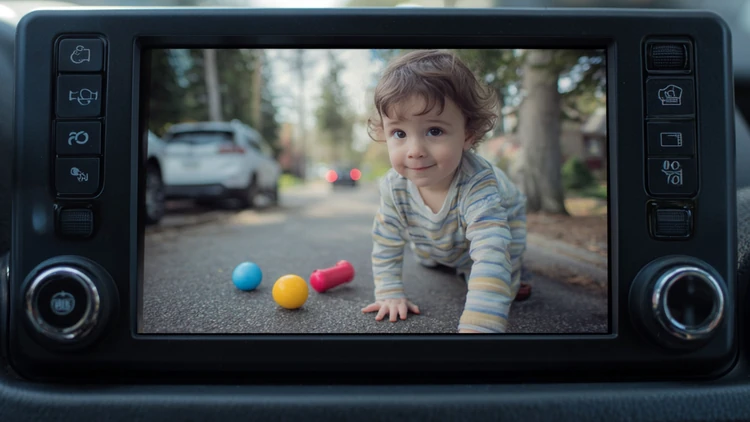
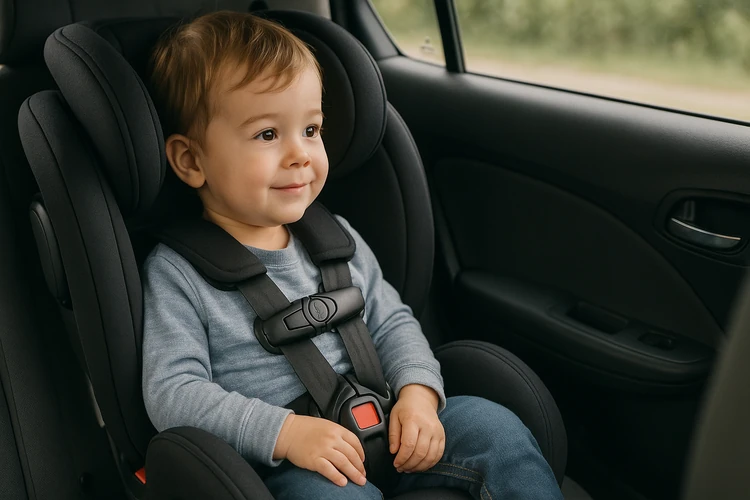
Hot car deaths surged after children began riding in back seats, where they are less visible to drivers. Safety advocates stress that technology already exists to detect rear-seat occupants and alert caregivers before tragedy strikes.
Congress included a requirement for such technology in the bipartisan Infrastructure Investment and Jobs Act of 2021, ordering the National Highway Traffic Safety Administration (NHTSA) to finalize rules by November 2023. That deadline has passed, leaving the regulation more than 18 months overdue.
Since the law was signed, more than 130 children have died in hot cars.
On May 1, grieving families sent a letter to U.S. Transportation Secretary Pete Buttigieg urging immediate action to issue the long-delayed rule.
Families and advocates demand action
Janette Fennell, founder and president of Kids and Car Safety, said the continuing deaths highlight the cost of inaction.
“We are committed to the push for occupant detection technology in all cars immediately. As we continue our advocacy, children continue to die week after week. It is beyond heartbreaking,” Fennell said. “Automakers do not have to wait for the final regulation — they can add occupant detection technology to their vehicles today.”
Education and prevention
While technology is viewed as the ultimate safeguard, Kids and Car Safety continues to educate families on preventive steps. The group stresses that tragedies often occur in ordinary families who never imagined such an accident could happen to them.
Resources, including fact sheets and information on currently available hot car detection technology, are available from Kids and Car Safety.