|
|
CONSUMER NEWS
RECALLS
COMPLAINT FORM
SCAM ALERTS
Small Claims Guide Class Actions Lemon Laws FAQ Newsletters Spanish |
|
|
![]() |
Did Wall Street Wreck The Economy?Congress, regulators start to connect the dots |
|||||
|
By Mark Huffman May 29, 2008
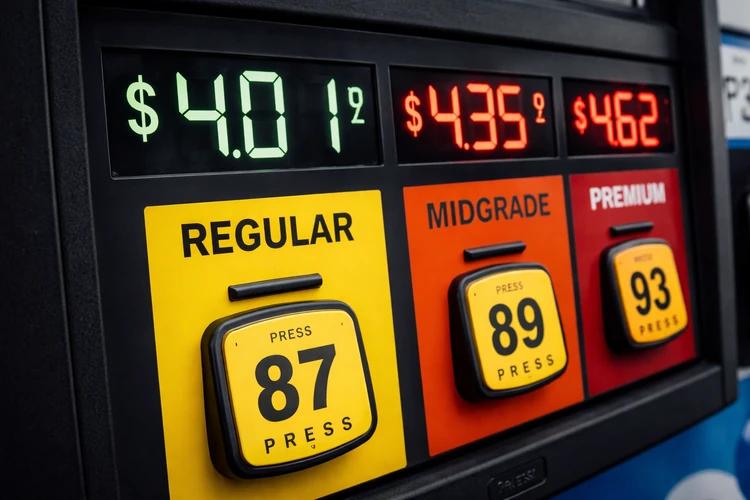
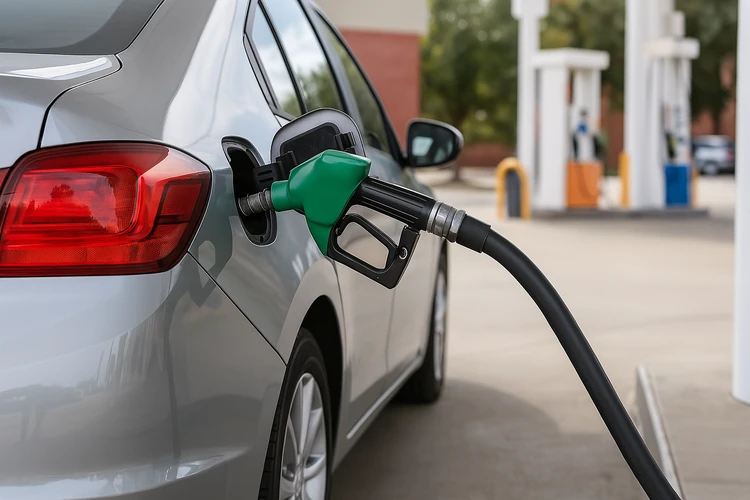
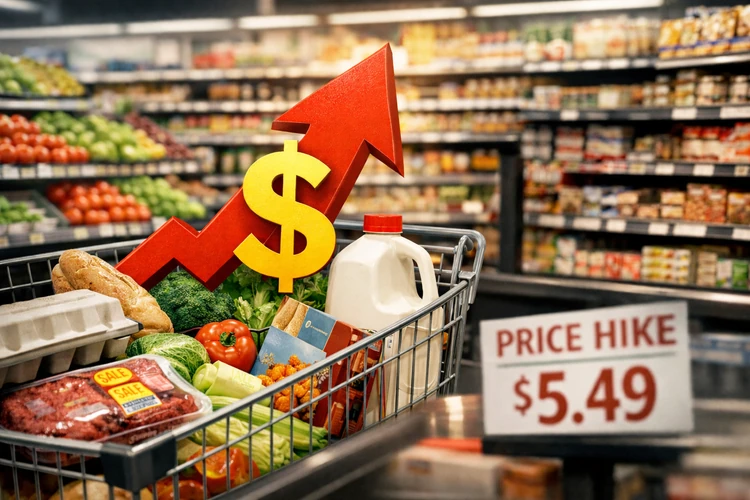
Could the two economic misfortunes have a common thread? If so, that thread may lead to Wall Street. Increasingly, everyone from lawmakers to industry insiders has been connecting the dots to reveal how some investors' actions have had huge repercussions on the economy. This week National Public Radio interviewed a key player who may have been at the center of the subprime mess. Tracy Warren worked for a company that provided quality control assurance for investment banks. Her job, she says, was to review subprime loans before they were bundled into securities and sold on Wall Street. In fact, she says, one of her firm's major clients was Bear Sterns, the investment bank powerhouse brought to its knees by bad subprime loans. Warren says many of the subprime loan applications she reviewed set off alarm bells. For example, she says one California loan applicant listed her job as "hotel worker" and gave her salary as $15,000 a month, so that she would qualify for a $500,000 home. Warren said she kicked back this application, and hundreds more, saying the documentation did not support the amount of money being borrowed. However, Warren told NPR, her superiors almost always overrode her decision, approving the loan because "it had merit." Christopher Peterson, a law professor at the University of Utah, told the radio network that Warren's assertions amount to "a smoking gun." He said if Wall Street investment bankers knew how preposterous these loans were, it could mean "Wall Street liability for aiding and abetting fraud." Oil pricesMeanwhile, as gasoline prices surged on near-daily record oil prices, a growing number of financial analysts and government officials are pointing to the role that commodities speculators may have played in the dramatic run-up. Gasoline wholesalers, for example, purchase their product, for future delivery, on the spot market. They enter a bid price, based on the current trading prices, much like the stock market. However, commodities traders, who have no intention of every taking delivery of a drop of gasoline, can also enter a bid for a contract – which they hope to sell in the future – perhaps a day later – at an even higher price. Unlike the gasoline wholesalers trying to buy their fuel supplies, the commodities traders have a vested interested in the price going higher. As more money flows into the spot market, the price has, indeed, gone higher. While the speculators have made a tidy profit, the gasoline wholesalers have also had to pay that higher price, which naturally, is passed along to the consumer at the pump. Rep. John Larson (D-CT) says the recently passed Farm Bill includes provisions that directly impact prices at the pump by allowing federal regulators to have more oversight and control over oil futures trades. Larson has been highly critical of market speculators who he says have driven up the price of oil on the commodities market. "This legislation makes a great deal of progress in the march to put American consumers first," Larson said. It sends a signal to speculators that their days manipulating the market and driving up the price of oil are numbered. There is more to do to take the speculation out of our energy markets. But this is a good first step." Larson says the Farm Bill expands the authority of the Commodity Futures Trading Commission over trades on markets that have so far been exempt from the sort of oversight that he says is necessary to preserve the concept of supply and demand. It would increase criminal and civil penalties for market manipulation. Monetary penalties will go up tenfold for those found guilty of fraudulent practices. And, it makes it a felony to fail to comply with a fraud and manipulation investigation. But Larson thinks the measure may not go far enough. He's told The New York Times that he may introduce legislation next month that would essentially ban over the counter trading of most energy futures by speculators who, like day traders, are simply buying and selling pieces of paper, not taking delivery of the oil and gas supplies whose prices they are impacting. Larson told the Times that he got the idea from conversations with fuel wholesalers in his state, who say there is no shortage of supplies, and that speculators are simply manipulating the price. Report Your Experience
|
|||||
Back to the top | |
||||||
Advertisement
|
|
||||
|
AUTOMOTIVE Dealers Manufacturers Service Extended Warranties Lemon Laws Recalls Tires Transporters FAMILY Aging Children, Parenting Recalls Dating Education Entertainment Pets Weddings |
FINANCE Annuities Banks Credit Cards Debt Collection Debt Counseling Insurance Investing Loans Mortgages Payday Loans Student Loans Tax Prep HEALTH Drugs, Pharmacies Health Clubs Hearing Care Hospitals Nursing Homes Nutrition, Diets Vision Care Weight Loss |
HOMEOWNERS & RENTERS Appliances Cookware Furniture Home Improvements Lawn & Garden Movers Pools & Spas Realtors, Rental Agents Recalls Utilities ELECTRONICS Cable TV/DBS Cameras Cell Phones Computers Home Electronics Internet Access Local Phone Service Long Distance VoIP |
SHOPPING In-Home Online Retail Stores Supermarkets Telemarketers TRAVEL Airlines Bus Lines Car Rental Cruises Hotels Travel Agents Trains RESOURCES Class Actions Complaint Form Small Claims Guide Class Actions Lemon Laws |
CONSUMER NEWS Latest News Automotive Telecom Financial Health Homeowners Scams Seniors Travel More ... RECALLS Automotive Children's Products Drugs Food Household Products Sporting Goods ABOUT US FAQ Privacy Policy Advertise With Us Newsroom Syndication Terms of Use |
Terms of Use Your use of this site constitutes acceptance of the Terms of Use
Copyright © 2003-2008 ConsumerAffairs.com Inc. All Rights Reserved. The contents of this site may not be republished, reprinted, rewritten or recirculated without written permission. |

|