|
|
NEWS
RECALLS
COMPLAINT FORM
SCAM ALERTS
RESOURCES
Small Claims Guide Class Actions Lemon Laws FAQ Newsletters |
Share |
| Automotive Education Employment Electronics Family Finance Health Homeowners Insurance Pets Shopping Travel |
|
|
|
![]() |
Internet Providers Ponder Bandwidth Limits For Heavy UsersComcast, Time Warner will experiment with metered usage |
|||||||||||||
|
June 4, 2008
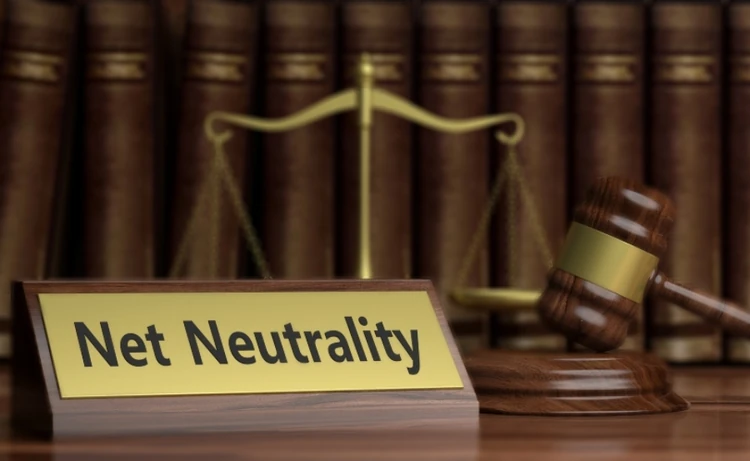
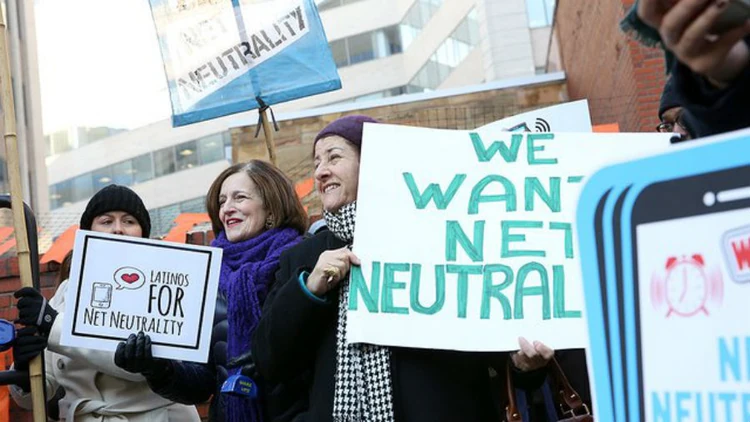
It's a throwback to the days when you had to deposit another quarter to talk for a few more minutes on a pay phone. Comcast says it has selected two markets -- Chambersburg, Pennsylvania and Warrenton, Virginia -- to put its new system into place. The company would delay traffic for the heaviest users. Last year Comcast warned its customers that the heaviest users could end up losing their service if they used too much of it. But consumers complained that the company never spelled out exactly what constituted too much. In May a report found both Comcast Cable and Cox Communications were using technologies that block or slow customers' access to the BitTorrent file-sharing engine, raising howls of indignation from consumers who complained to the Federal Communications Commission. The FCC is currently investigating the matter. Under its new plan, Comcast said it would not target users of any particular application. Time Warner also plans to limit consumers' bandwidth, but is providing more options. Just as airline passengers may pay extra for a bag of pretzels, Time Warner subscribers who find their heavy usage has resulted in slower speed may pay an additional fee to be restored to normal service. Time Warner said it will institute a metered usage system. It compares the system to how consumers are currently charged for cell phone minutes. It will begin test marketing the plan in Beaumont, Texas. Ben Scott, head of policy for the public interest group Free Press, told the Washington Post that the new strategy reflects a decision to admit publicly what the Internet providers have been doing secretly all along. He also saidit won't provide the kind of relief that would result from larger investments in high-speed networks. Comcast-CoxIn the Comcast-Cox dust-up, researchers at the Max Planck Institute for Software Systems in Germany conducted their study through measuring the traffic of 8,175 Internet users across the world. The researchers detected conclusive evidence of "traffic shaping" or blocking from only three Internet service providers -- Comcast and Cox in the United States, and StarHub in Singapore. The researchers said 599 users were blocked in the United States, 573 of them on Comcast or Cox networks. Although Comcast originally defended its content blocking practices as "reasonable network management" that was concentrated on peak hours of Internet use, the Institute's report indicated that both Comcast and Cox blocked access to BitTorrent at all times of the day. "The percentage of blocked connections remains high at all times of the day," the report authors said. "Our data suggests that the BitTorrent blocking is independent of the time of the day." Supporters of "net neutrality," the principle that all Internet content should be accessed equally, pointed to the discovery as further evidence that cable and other Internet providers cannot be trusted to police their networks without infringing on users' rights. "Consumers have no reason left to trust their cable company," said Ben Scott, policy director of Free Press. "This independent study confirms that Comcast is still blocking its customers from using popular applications -- despite the FCC's investigation and widespread public outrage." Comcast's content blocking, first confirmed in October 2007, also led to customer lawsuits, and several hearings into proper network management conducted by the FCC. Comcast's image was further tarnished by its paying people to fill seats at the first hearing in Cambridge, Massachusetts. Cox released a brief statement to the Associated Press claiming that "[t]o ensure the best possible online experience for our customers, Cox actively manages network traffic through a variety of methods including traffic prioritization and protocol filtering." The renewed push for net neutrality protection against content blocking has led to the introduction of several pieces of legislation in Congress. One bill, the "Internet Freedom Preservation Act" co-sponsored by Rep. Ed Markey (D-MA), would amend the Communications Act of 1934 to include the principles of open access to the Internet as codified law. The "Internet Freedom and Nondiscrimination Act," introduced by House Judiciary Chairman John Conyers (D-MI), would use antitrust regulations to prevent price discrimination through forcing different customers to pay more for higher bandwith usage. Report Your Experience
|
|||||||||||||
Back to the top | |
||||||||||||||
Advertisement
|
|
Custom Search
|
||||
|
AUTOMOTIVE Dealers Manufacturers Service Extended Warranties Lemon Laws Recalls Tires Transporters FAMILY Aging Children, Parenting Recalls Dating Education Entertainment Pets Weddings |
FINANCE Annuities Banks Credit Cards Debt Collection Debt Counseling Insurance Investing Loans Mortgages Payday Loans Student Loans Tax Prep HEALTH Doctors Drugs, Pharmacies Health Clubs Hearing Care Hospitals Nursing Homes Nutrition, Diets Vision Care Weight Loss |
HOUSE & HOME Appliances Cookware Furniture Home Improvements Lawn & Garden Movers Pools & Spas Realtors, Rental Agents Recalls Utilities ELECTRONICS Cable TV/DBS Cameras Cell Phones Computers Home Electronics Internet Access Local Phone Service Long Distance VoIP |
SHOPPING In-Home Online Retail Stores Sporting Goods Supermarkets Telemarketers TRAVEL Airlines Bus Lines Car Rental Cruises Hotels Travel Agents Trains RESOURCES Class Actions Complaint Form Small Claims Guide Lemon Laws |
CONSUMER NEWS Latest News Automotive Telecom Financial Health Homeowners Scams Seniors Travel More ... RECALLS Automotive Children's Products Drugs Food Household Products Sporting Goods ABOUT US FAQ Privacy Policy Advertise With Us Newsroom Syndication Terms of Use |
Terms of Use Your use of this site constitutes acceptance of the Terms of Use
Copyright © 2003-2009 ConsumerAffairs.com Inc. All Rights Reserved. The contents of this site may not be republished, reprinted, rewritten or recirculated without written permission. |
|