CONSUMER NEWS    RECALLS    COMPLAINT FORM    SCAM ALERTS  


Complain about a product or service

Small Claims Guide | Class Actions | Lemon Law | FAQ | Resources | Newsletters | Spanish
Automotive    Education    Electronics    Family    Finance    Health    Homeowners    Shopping    Travel   
NEWS   Latest |  Archives |  Auto |  Cells, etc. |  Computers |  Financial |  Health |  Homeowners |  Parents |  Privacy |  Scams |  Seniors |  Travel

Energy Drinks Can Lead To Caffeine "Overdose"

Drinks often contains lots of sodium & sugar too


June 30, 2008


Energy Drinks Can Lead To Caffeine "Overdose"
Anheuser-Busch Ends Alcoholic Energy Drink Sales
Feds Pressed To Probe Alcohol 'Energy' Drinks
Anheuser-Busch Spikes Spykes
Anheuser_Busch Defends Spykes
States Blast Bud Extra, Spykes, TILT
Experts Offer Tips on Teenage Binge Drinking
Alcohol Ads Linked to Teen Drinking
MADD: Teen Access to Alcohol Widespread
---
News for Parents

Anheuser-Busch's recent decision – at the prodding of eleven state attorneys general – to discontinue its two energy drinks, Tilt and Bud Extra, has won nods of approval from health care professionals.

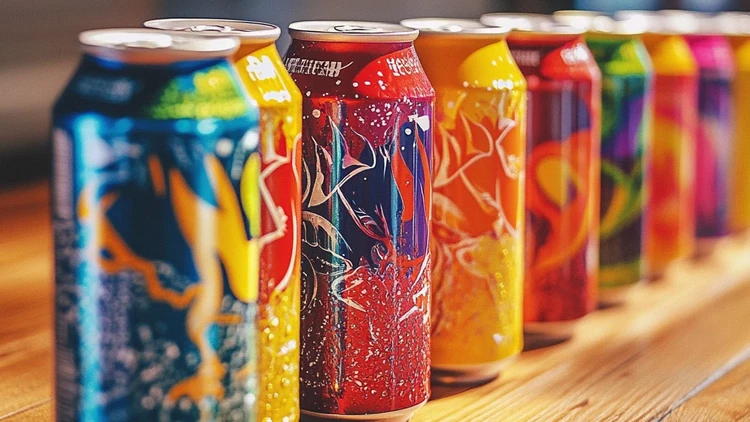
But despite Busch's action, there are an estimated 200 energy drinks still on the market. That's a lot of energy.

"There was a time when we would get our caffeine intake from coffee and cola, but now there are a number of caffeine containing beverages and we need to be careful because over a period of 24 hours that caffeine intake is cumulative," said Dee Rollins, R.D., PhD, dietitian with Baylor Regional Medical Center at Grapevine, Texas.

In fact, experts say energy drink consumers should keep careful track of the amount of caffeine they get in a day.

"If you know that 400 milligrams a day is the upper limit you can check the back of the labels and make sure that you don't get more than that," Rollins said.

It may sound like a lot, but 400 milligrams is roughly the equivalent of just one energy drink and two cups of coffee. Getting more than that can lead to jitteriness, nausea, heart palpations — and in extreme cases more severe symptoms.

"It can be so bad that if you take too much caffeine you can end up in the hospital thinking you have flu-like symptoms and really it's caffeine overdose."

So remember as you're sipping — take it slow or it may not just be energy you end up with.

"We don't think of caffeine as being a drug that we need to monitor, but we can overdo it," Rollins said.

For most people — if they're not getting more than around 400 milligrams of caffeine a day — these energy drinks are safe. But Rollins says there are some important things to remember:

• Don't drink energy beverages while exercising. It can lead to severe dehydration.

• Don't ever mix these drinks with alcohol—it's popular—but doing so can not only mask how intoxicated you really are, it again can be extremely dehydrating.

In addition to caffeine, most of these energy drinks contain very high amounts of sugar and sodium which can be dangerous for diabetics or those with high blood pressure, Rollins said.

Under fire from the attorneys general of 11 states, Anheuser-Busch has agreed to discontinue its popular alcoholic energy drinks, including Tilt and Bud Extra, and vowed it will not produce any caffeinated alcohol beverages in the future.

“Anheuser-Busch, the largest brewing company in the United States, has taken an important action to protect young people from attractive alcohol advertising and marketing,” California Attorney General Edmund G. Brown Jr. said. “Other major alcohol manufacturers should follow Anheuser-Busch’s lead and eliminate dangerous combinations of caffeine and alcohol from the marketplace.”

Alcoholic energy drinks are prepackaged beverages that combine alcohol and caffeine, guarana, taurine, ginseng and other ingredients associated with non-alcoholic energy drinks. Brown asserts that Anheuser-Busch marketed Bud Extra and Tilt in violation of state consumer protection statues by:

• Making misleading health-related statements about allegedly energizing effects of Bud Extra including increased strength and increased ability to stay up all night after drinking the products

• Failing to disclose its effects on consumers, and ignoring potential consequences of drinking alcoholic beverages that are combined with caffeine or other stimulants

• Directing advertisements of Tilt and Bud Extra to consumers under the age of 21

In November 2007, researchers at Wake Forest University of Medicine found that the combination of caffeine and alcohol sends mixed signals to the nervous system, causing the effect of a “wide awake drunk.”

Students who consumed these energy drink cocktails were twice as likely to be involved in alcohol-related accidents and injuries than when drinking alcohol alone. The combination of alcohol and caffeine can be dangerous because individuals may not feel impaired even when blood alcohol levels are very high.

California, along with ten other states, asserted that Anheuser-Busch made misleading health-related statements about the energizing effects of its caffeinated alcohol beverages. Marketing that promoted the alleged energy component of the drinks made the drinks appealing to teens.

The company advertised Bud Extra with taglines such as “You can sleep when you’re 30” and “Say hello to a night of fun” and utilized MySpace, YouTube, and other Internet sites popular with underage youth.

In addition, the packaging for many of the alcoholic energy drinks was similar to that for non-alcoholic energy drinks, leading to retailer and parent confusion.

Anheuser-Busch cooperated during the investigation and agreed to reformulate its products to exclude caffeine. As part of the agreement, Anheuser-Busch will discontinue two of its popular alcoholic energy drinks, Tilt and Bud Extra, and will not produce any caffeinated alcohol beverages in the future. Under the agreement the company will:

• Stop manufacturing and marketing all caffeinated alcoholic beverages, including Bud Extra and Tilt as currently formulated

• Reformulate its alcoholic energy drinks so that they do not contain caffeine or other stimulants that are metabolized as caffeine, such as Guarana

• Eliminate all references in advertising to caffeinated formulations and remove any reference to using Bud Extra and Tilt as mixers for other drinks.

Anheuser-Busch also agrees to immediately discontinue the current Tilt website www.tiltthenight.com without hyper linking or directing visitors to a new site. Any new Website may only to promote the reformulated Tilt without caffeine.

Other states which joined California in reaching an agreement with Anheuser-Busch include: Arizona, Conneticut, Idaho, Illinois, Iowa, Maine, Maryland, New Mexico, New York and Ohio. A copy of the multi-state agreement is attached.


Report Your Experience
If you've had a bad experience -- or a good one -- with a consumer product or service, we'd like to hear about it. All complaints are reviewed by class action attorneys and are considered for publication on our site. Knowledge is power! Help spread the word. File your consumer report now.


Consumer News

August 30 2008

Recent Recalls & Safety Alerts


FREE CONSUMER NEWSLETTERS

The Daily Consumer
Afternoons M-F

Sign up now!


Consumer News & Alerts
Every Sunday

Sign up now!


Knowledge is free.
Knowledge is power.


Back to the top |

Advertisement


Home | Complaint Form | News | Recalls | FAQ |
Consumer Resources | Small Claims Guide | Lemon Law | Newsletter | Contact Us
Advertise With Us | Testimonials | Newsroom | RSS Feeds |


Terms of Use Your use of this site constitutes acceptance of the Terms of Use

Advertisements on this site are placed and controlled by outside advertising networks. ConsumerAffairs.com does not evaluate or endorse the products and services advertised. See the FAQ for more information.

Company Response Welcome If complaints about your company appear on our site, we welcome your response. Please see the Response Form for more information.

For more information, see the FAQ and privacy policy. The information on this Web site is general in nature and is not intended as a substitute for competent legal advice.  ConsumerAffairs.com Inc. makes no representation as to the accuracy of the information herein provided and assumes no liability for any damages or loss arising from the use thereof. 

Copyright © 2003-2008 ConsumerAffairs.com Inc.  All Rights Reserved.    The contents of this site may not be republished, reprinted, rewritten or recirculated without written permission.