CONSUMER NEWS    RECALLS    COMPLAINT FORM    SCAM ALERTS  


Complain about a product or service

Small Claims Guide | Class Actions | Lemon Law | FAQ | Resources | Newsletters | Spanish
Automotive    Education    Electronics    Family    Finance    Health    Homeowners    Shopping    Travel   
NEWS   Latest |  Archives |  Auto |  Cells, etc. |  Computers |  Financial |  Health |  Homeowners |  Parents |  Privacy |  Scams |  Seniors |  Travel

What’s Really Fueling Those Sky-High Oil Prices

There are lots of theories; most of them are right


Advertisement


Cheap Car Insurance
Insurance companies on TV can’t compete with our multi-quote system.
Click here for your quote!

By Fred Yager
ConsumerAffairs.com

June 29, 2008

Gas Prices Trickle Down
Why Are Oil Prices Falling?
Labor Day Gas Prices Up a Penny
Gas Prices Fall for 37 Days
Gas Prices Slide 8 Percent from Record
Gas Prices Creep Down
Oil Price Trend May Be Good News For Consumers
Gasoline Drops Below $3.90 a Gallon
Gas Prices Pull Back Slowly
Oil Prices Fall As Storm Misses Rigs
Latest Gas Price Round-Up
'Run Your Car On Water' Scheme Could Leave Consumers All Wet
Unregulated Energy Trading Blamed for Much of Gas Price Gusher
Airlines Join Effort To Limit Oil Speculators
Questions Raised about MyGallons.com
'Hypermiling' Is Dangerous, Says AAA
Struggling Drivers Blame Washington for High Gas Prices
What’s Really Fueling Those Sky-High Oil Prices
Credit Card Fees at the Pump are a 'Hidden Tax' on Consumers
Survey: 3 Out of 4 Angry About High Gas Prices
$2 A Gallon Gas Possible, Analysts Tell Congress
Speculators Buy More Oil Contracts Than Oil Companies
Saudis to Pump More Oil
Limiting Oil Speculators Gains Ground
Congress To Probe Oil Price Spike
Oil Market 'Saturated,' Iran Claims
Feds See No Relief from High Gas Prices
High Gas Prices Could Mean Lower Insurance Rates
High Gas Prices Good For Kia, Honda
Gas Prices Rip Past $4 and Keep Climbing
Administration, OPEC See Different Causes Of Oil Surge
Feds Probing Possible Oil Market Manipulation
Beware of Fuel Sippers Sipping High-Test
Retailers Respond to High Gas Prices with Discounts, Promotions
Rushing Into a Smaller Car Too Soon May Not Save Money
Hybrid Sales and Prices Climb in Lockstep with Gas Prices
Truckers Bemoan Burden of High Diesel Costs
Gas Prices Biting into Worker Productivity
Consumers Warned About Gas-Saving Schemes
Is Tony Soprano Controlling Gas Prices?
Oil & Gas: The New Bubble
Critics: New Federal Gas Mileage Standard Falls Short
Consumers Feeling Pain of Skyrocketing Gas Prices
New Gas Price Record Forecasts Expensive Summer Driving Season
---
More ...

Ask any number of experts about what’s causing the current run-up in oil prices, now around $140 a barrel, and you’re likely to get several different answers.

1. It’s still just supply and demand. That’s what many, including Warren Buffet, believe.

2. It’s the speculators whose mere prediction that the price will go up makes it happen.

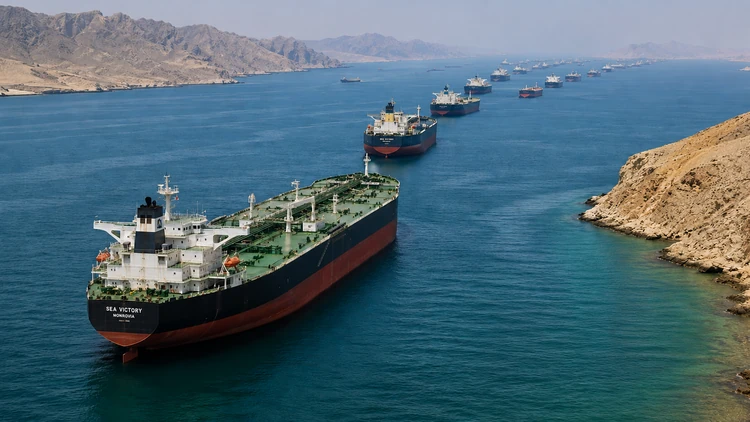
3. It’s the ongoing instability of the Middle East such as the war in Iraq and the tension over Iran.

4. It’s weakness in the U.S. dollar, a currency to which the price of oil is tied.

5. It’s fear that -- you name it -- the world is running out of oil, terrorists will disrupt the pipelines, another hurricane will halt offshore drilling.

6. Or, as Ralph Nader sees it, the reason behind high oil prices is greed among oil-producing companies and countries who feel they can charge as much as they want for oil and we’ll still pay it.

The real answer? Sorry to say it's all of the above, which makes it difficult to point a finger and say, “There’s the culprit!”

So we decided to do the next best thing and call on veteran oil analyst Mike Rothman, formerly of Merrill Lynch and now senior managing director and head of integrated oil research at International Strategy Investment (ISI). Mike has been studying the oil market for more than a quarter of a century and he says the seeds to the current run-up in oil prices were planted in 1999.

“That was the tail end of the price crash that pushed oil down to $15 a barrel,” says Mike. “It caused OPEC countries, led by Saudi Arabia, to develop an aversion to low oil prices so they micro-managed the oil balance to produce an average oil price for OPEC crude of $25 at barrel, which at the time amounted to a 67% increase.”

The 2nd Gulf War

The next critical milestone came in 2003 when we invaded Iraq.

“The widely held view going into the war was that oil prices would collapse,” he explains. That didn’t happen. Just prior to the war, Venezuela’s oil workers went on strike, shutting off 90% of that country’s daily output of six million barrels. “Then we lost all of Iraq’s 2.5 million barrels a day when the war started in March 19,” says Mike.

“A month later riots in Nigeria’s cut that country’s production almost in half and when the smoke cleared global inventories were lean, about 120 million barrels below their five year average. Soon, oil was heading toward $30 a barrel.”

Meanwhile, Saudi Arabia decided to hold off on any projects to add oil supply capacity because the Bush White House was pronouncing that after the war it would work to pump up Iraq to five million barrels a day.

When Concern Replaced Reality

“From there, it seemed that we had an incredible string of events which dramatically shifted market perceptions about oil availability,” says Mike. “In fact, the rally in crude prices that started in early 2004 primarily reflected concerns about oil availability as opposed to actual availability. It is this phenomenon of concern being a price driver that caused a major disconnect between oil prices and actual oil inventories.”

In late 2003, Shell Oil wrote down a portion of its oil reserves in what Mike says was “later was deemed an accounting scandal from one of their officers who basically committed fraud.” He adds that the reserve write-down was, in fact, the seed which sparked the re-emergence of what is known as “Peak Oil,” or the concern that oil production had hit its peak, at least in that particular area.

“Plus, in 2004, we had two particular events which played into growing worries about oil availability,” Mike points out. “The first was a huge jump in oil demand growth rates, notably from the developing world, China and India in particular. The other occurred in Russia and was known as the Yukos debacle.

"The basic story was that one of the oil czars was imprisoned and his oil company, Yukos, was gutted simply because he backed candidates running against President Putin. This triggered a concern, (there’s that “C” word again), that there would be a 10% annual decline in Russian oil production, pushing oil prices even higher, even though the decline never occurred.”

Then in 2005, something happened that had a real impact on oil production. Hurricanes Denis, Katrina and Rita took more than one million barrels per day out of production. This drained oil industry resources. The devastation from those hurricanes disrupted what had been an upturn in the exploration and production cycle.

Financial Factors

At some point in the past few years, says Mike, there arose two financial factors that have nothing to do with supply and demand but still impact the price of oil.

One involves what Mike calls “the commodities as an asset class” trading boom among speculative investors which caused crude prices once again to be appear at odds with fundamentals. The second involves oil being used as a “store of value” related to a weakness in the value of the US dollar.

“Before 2007, changes in oil prices and changes in the dollar were unconnected,” says Mike. “But then last July, which just happened to coincide with the sub-prime mortgage mess, we saw a pattern emerge. Changes in oil prices correlated almost exactly with changes in the dollar. As the value of the dollar decreased the cost of oil increased.”

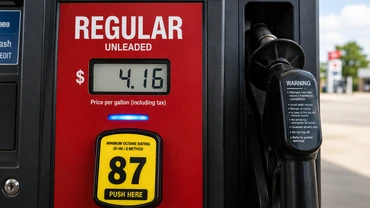
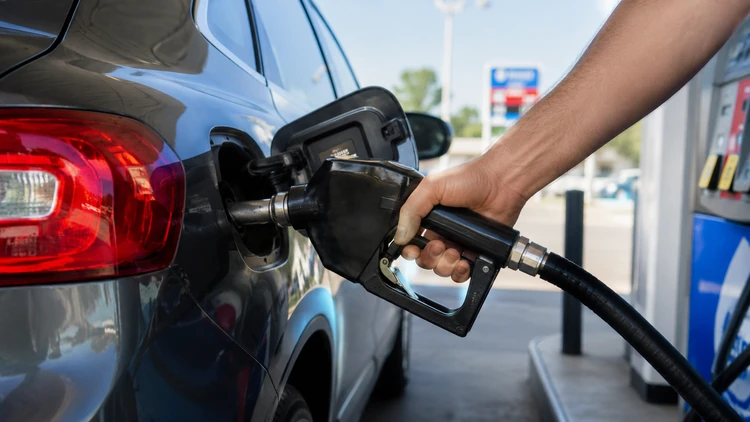
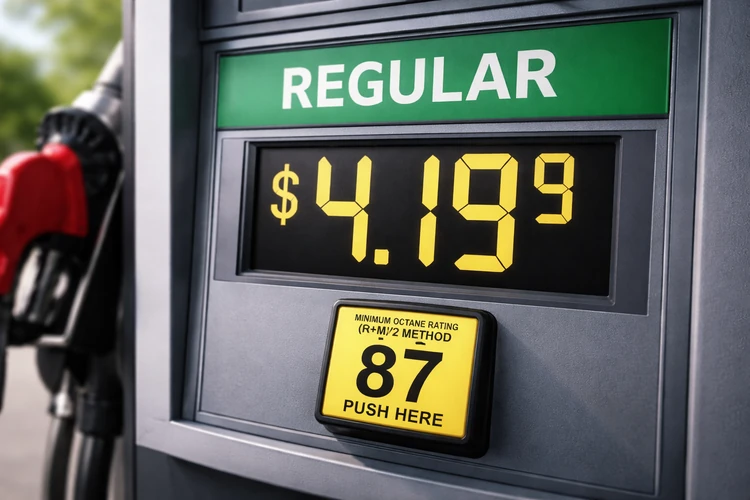
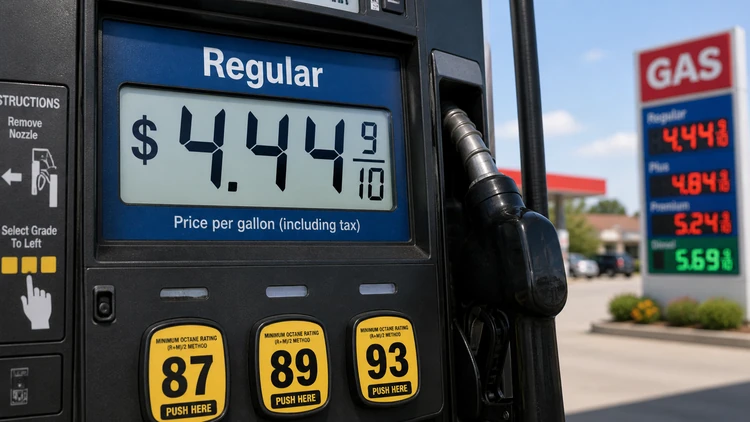
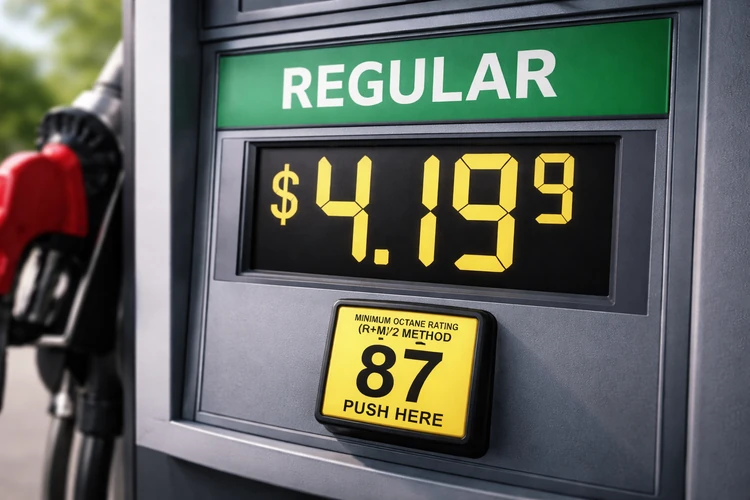
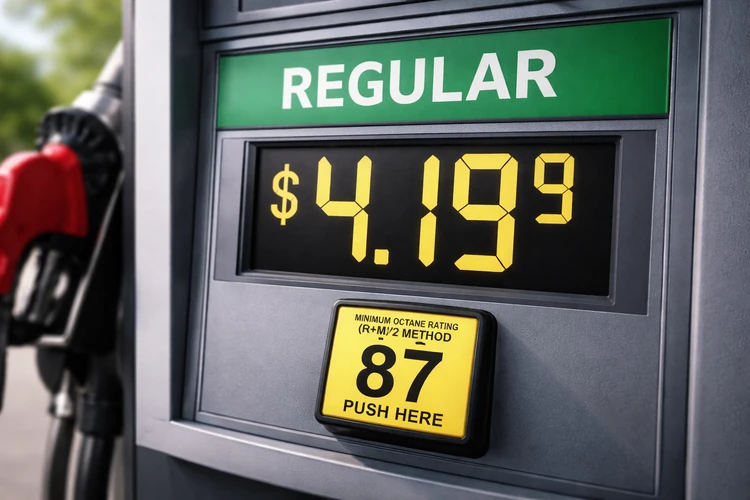
So today, we have $140-a-barrel oil which translates into having to pay $4 plus for a gallon for regular gasoline. As high as that is, drivers in other countries such as England and Australia have been paying more for several years.

Going forward, Mike believes eventually that global oil demand is going to weaken and that we’ll see an increase in spare capacity, which should dampen prices considerably, especially as OPEC expands production capacity. Some analysts are predicting $100 a-barrel oil by the end of the year. Still, we could see more increases before that happens because of speculative trading and the concern about oil availability.

Mike also says he has “little confidence that U.S. lawmakers will take meaningful steps to 'drain liquidity' from the oil as an asset class trade.

As he put it, “Washington seems intent on 'looking busy' versus actually acting meaningfully.”

That’s something we should all be concerned about.


Report Your Experience
If you've had a bad experience -- or a good one -- with a consumer product or service, we'd like to hear about it. All complaints are reviewed by class action attorneys and are considered for publication on our site. Knowledge is power! Help spread the word. File your consumer report now.


Consumer News

September 7 2008

Recent Recalls & Safety Alerts


FREE CONSUMER NEWSLETTERS

The Daily Consumer
Afternoons M-F

Sign up now!


Consumer News & Alerts
Every Sunday

Sign up now!


Knowledge is free.
Knowledge is power.


Back to the top |

Advertisement


Home | Complaint Form | News | Recalls | FAQ |
Consumer Resources | Small Claims Guide | Lemon Law | Newsletter | Contact Us
Advertise With Us | Testimonials | Newsroom | RSS Feeds |


Terms of Use Your use of this site constitutes acceptance of the Terms of Use

Advertisements on this site are placed and controlled by outside advertising networks. ConsumerAffairs.com does not evaluate or endorse the products and services advertised. See the FAQ for more information.

Company Response Welcome If complaints about your company appear on our site, we welcome your response. Please see the Response Form for more information.

For more information, see the FAQ and privacy policy. The information on this Web site is general in nature and is not intended as a substitute for competent legal advice.  ConsumerAffairs.com Inc. makes no representation as to the accuracy of the information herein provided and assumes no liability for any damages or loss arising from the use thereof. 

Copyright © 2003-2008 ConsumerAffairs.com Inc.  All Rights Reserved.    The contents of this site may not be republished, reprinted, rewritten or recirculated without written permission.