Husqvarna Professional Products of Charlotte, N.C., is recalling about 430,000 gas-powered grass trimmers sold in the U S. And Canada.
Incorrect wiring in the ignition module on the grass trimmers can cause an electrical spark or arcing, posing a fire hazard if gas is on or near the unit.
The firm has received 12 reports of the recalled grass trimmers catching fire, electrical sparks or arcing, including two reports of property damage and one report of a consumer who suffered leg and arm burns.
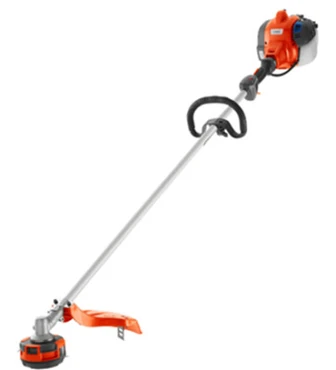
This recall involves gas-powered Husqvarna Grass Trimmers, model numbers 330LK, 130C and 130L.
The trimmers are orange and gray. "Husqvarna" with model printed on the motor housing and the SKU number printed on the serial number tag on the bottom side of the motor housing.
A list of the SKU numbers included in this recall may be found here.
The grass trimmers, manufactured in the U.S., were sold at Husqvarna dealers, Lowe's, Tractor Supply, and other home and garden stores nationwide and online at Amazon.com from October 2021, through November 2023, for between $250 and $300.
What to do
Consumers should immediately stop using the recalled grass trimmers and contact an authorized Husqvarna dealer to receive a free repair. The dealer locator is available at https://locations.husqvarna.com/us/.
Consumers may contact Husqvarna toll-free at (877) 257-6921 from 8 a.m. to 7 p.m. (ET), Monday through Friday, by email at recalls@husqvarnagroup.com or online at www.husqvarna.com/us/recall or https://www.husqvarna.com/us/discover/news-and-media/grass-trimmer-recall/ for more information.
Husqvarna Professional Products of Charlotte, N.C., is recalling about 430,000 gas-powered grass trimmers sold in the U S. And Canada.
Incorrect wiring in the ignition module on the grass trimmers can cause an electrical spark or arcing, posing a fire hazard if gas is on or near the unit.
The firm has received 12 reports of the recalled grass trimmers catching fire, electrical sparks or arcing, including two reports of property damage and one report of a consumer who suff...