|
|
NEWS
RECALLS
COMPLAINT FORM
SCAM ALERTS
RESOURCES
Small Claims Guide Class Actions Lemon Laws FAQ Newsletters |
Share |
| Automotive Education Employment Electronics Family Finance Health Homeowners Insurance Pets Shopping Travel |
|
![]() |
Dealing with Disasters: Financial Preparation is VitalCPAs offer advice on how to be ready for the unexpected |
||||||||||||
|
November 14, 2008
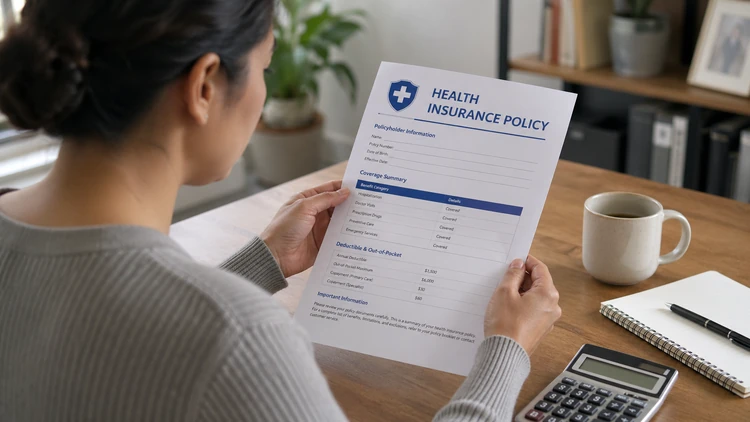
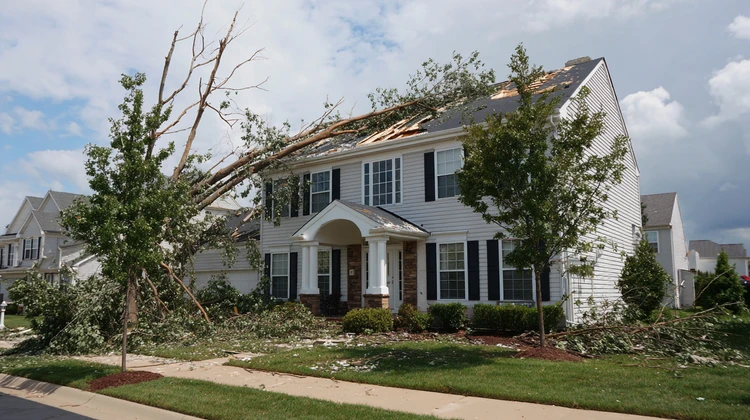
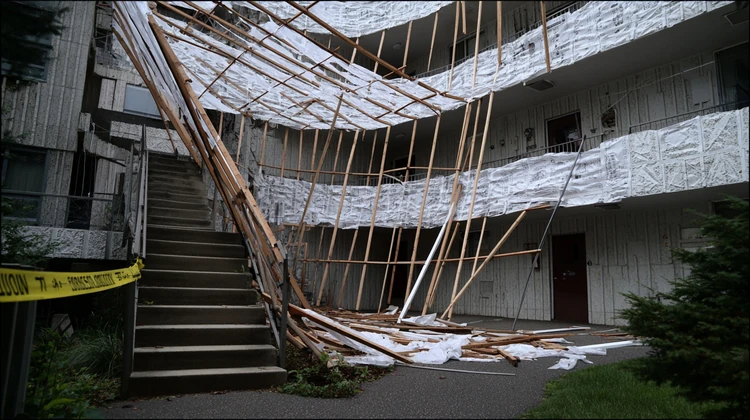
Would you be ready if a sudden disaster threatened your home and family? Dan Thomas of the California Society of CPAs says there are relatively simple steps you can take now to ensure that you will be ready if misfortune comes your way. His group, which represents more than 33,000 CPAs in California, has partnered with the Red Cross and IRS on disaster issues. Before disaster strikes1.) Protect your property. Think about ways you can avoid or reduce property damage if a disaster were to strike again. A few ideas: 2.) Conduct a household inventory. Make a list of your possessions so you can estimate their value for insurance or tax purposes. 3.) Have adequate insurance. If necessary, seek special or additional coverage for fires, earthquakes, or other losses not covered by standard insurance. 4.) Keep cash available. 5.) Use an evacuation box and safe deposit box. 6.) Make an evacuation plan. Imagine that you could take only one suitcase or pack a single carload in the event of a disaster. What would you take, how would you leave your home, where would you rejoin your family, and who would you call if you became separated? After disaster strikesStep 1: Contact your insurer, stat. Call your insurance company as soon as possible. Some insurance policies place a time limit on filing claims. The time limit does vary from state to state. For example, in New York you have two years to file a claim, according to the insurance department. Let the company know about the severity of the damage. Insurance cases can be prioritized. If your home was completely destroyed, you will get more attention than a home that had minor damage. Make sure you give the insurance company all of your contact information. Make it as easy as possible for the company to contact you. The amount of time it takes for the claims process varies widely, depending on the amount of damage and the size of the storm. It could happen immediately or take up to 6 months if it's a complicated claim. If you can't stay in your house and you have to set up camp for a while at a motel or you need to bunk with some friends, you have the right to some cash. Insurance companies will reimburse you for additional cost of living expenses. This reimbursement will even cover restaurant meals within reason. In certain circumstances, insurance companies may distribute cash or ATM cards to policyholders in an emergency. Step 2: Document, document, document. It's up to you to substantiate your loss. Think about photographing the damage. Make an inventory of damaged items, and don't forget that your car is also covered under comprehensive insurance. Keep any records and lists of people you speak to. The better organized you are, the fewer problems you'll have. If you don't remember the value of some items, you can call your credit card company and ask them to send you a list of your purchases. It's also a good idea to take advantage of the Insurance Institute's home inventory software. This is a free program that lets you scan receipts, take pictures and take inventory of what you have in the house. If you have the luxury of time, this is a great way to be prepared for catastrophes. For more information, go to their Web site at www.iii.org. If you're not happy with the way the claim is settled, go back to the agent, and document your side to the head of the claims department. If you're still not satisfied, you can file a complaint with your state insurance department and of course, you can always hire an attorney. There's also the option of using your own adjustor. A public insurance adjuster assesses the damage to your home and can organize your claim. A public adjustor then works with your insurance company to maximize the return on your policy. You typically pay them a percentage of your claim. Because public insurance adjusters are regulated by the states, fees will vary. For more information on public insurance adjusters, go to the National Association of Public Insurance Adjusters Web site at www.Napia.com or call (703) 433-9217. It's a good idea to call your state government's insurance commission for a background check on any public adjuster you're considering. Step 3: Live with it -- for now. Just make temporary repairs before the insurance adjustor has a chance to come in and access the damage. Of course you should not compromise your safety. But if you have a leaky roof, just put some pots and pans around instead of having the damage fixed by a professional. This is a good way to make sure that you are reimbursed for any repair. If you are currently underinsured or you have a sizable unreinbursed property loss, you may be able to deduct this from your taxes. Talk to your local CPA about certain tax benefits that are available to you – especially in president-declared disaster areas. First, subtract any insurance you anticipate receiving. Then subtract $100. The loss must be further reduced by 10 percent of your adjusted gross income. The balance remaining is what you can deduct from your taxes. If you think you might qualify for this deduction, collect your receipts, insurance statements, and other documentation and present it to your CPA. Those who prepare their own taxes, should review the "Nonbusiness Casualty and Theft Losses" on the IRS Web site and contact their state income tax bureau to learn more about both the federal and state guidelines for this deduction. Step 4: Watch out for scammers. If your home was destroyed by a hurricane, be cautious. There are dishonest service providers that prey on disaster victims. Don't be rushed into signing a contract with any roofing or building company. Instead, collect business cards and get written estimates for the proposed job. Beware of building contractors that encourage you to spend a lot of money on temporary repairs. Investigate the track record of any roofer, builder or contractor that you consider hiring. Look for professionals and get references. You can also call the Better Business Bureau for help. Never give anyone a deposit until you have done your homework. Step 5: Help for the doubly-unlucky. People who are still unable to go back home because of a previous hurricane should try to extend their additional living expenses. Usually you can utilize your additional living expense for a maximum of 12 months. But there may be some flexibility with your insurance company. People who have exhausted their insurance can go to the Federal Emergency Management Agency to get financial assistance. Their Web site is www.fema.gov. Report Your Experience
|
|
|||||||||||
Advertisement
|
|
Custom Search
|
||||
|
AUTOMOTIVE Dealers Manufacturers Service Extended Warranties Lemon Laws Recalls Tires Transporters FAMILY Aging Children, Parenting Recalls Dating Education Entertainment Pets Weddings |
FINANCE Annuities Banks Credit Cards Debt Collection Debt Counseling Insurance Investing Loans Mortgages Payday Loans Student Loans Tax Prep HEALTH Doctors Drugs, Pharmacies Health Clubs Hearing Care Hospitals Nursing Homes Nutrition, Diets Vision Care Weight Loss |
HOUSE & HOME Appliances Cookware Furniture Home Improvements Lawn & Garden Movers Pools & Spas Realtors, Rental Agents Recalls Utilities ELECTRONICS Cable TV/DBS Cameras Cell Phones Computers Home Electronics Internet Access Local Phone Service Long Distance VoIP |
SHOPPING In-Home Online Retail Stores Sporting Goods Supermarkets Telemarketers TRAVEL Airlines Bus Lines Car Rental Cruises Hotels Travel Agents Trains RESOURCES Class Actions Complaint Form Small Claims Guide Lemon Laws |
CONSUMER NEWS Latest News Automotive Telecom Financial Health Homeowners Scams Seniors Travel More ... RECALLS Automotive Children's Products Drugs Food Household Products Sporting Goods ABOUT US FAQ Privacy Policy Advertise With Us Newsroom Syndication Terms of Use |
Terms of Use Your use of this site constitutes acceptance of the Terms of Use
Copyright © 2003-2009 ConsumerAffairs.com Inc. All Rights Reserved. The contents of this site may not be republished, reprinted, rewritten or recirculated without written permission. |

|