NEWS    RECALLS    COMPLAINT FORM    SCAM ALERTS   RESOURCES  
Small Claims Guide   Class Actions   Lemon Laws   FAQ   Newsletters  
Share


Complain about a product or service

Automotive    Education    Employment    Electronics    Family    Finance    Health    Homeowners    Insurance    Pets    Shopping    Travel     Print This     Email This    


NEWS   Latest |  Archives |  Auto |  Cells, etc. |  Computers |  Financial |  Health |  Homeowners |  Parents |  Privacy |  Scams |  Seniors |  Travel

Who's Watching the Food Safety Watchdogs?


December 29, 2004
Providing consumers with timely information about food safety risks and giving them the tools to take action to effect change is the goal of a new Web site launched by Consumers Union.


USDA Inspector Allegedly Caughgt Ignoring Animal Abuse
Massive Beef Recall Follows Mad Cow Scare
Lawmakers Call For Slaughterhouse Probe
USDA Closes Plant Suspected Of Slaughtering Downer Cows
Schools Drop Burgers From Menu After Downer Cow Scare
Canada Reports New Mad Cow Case
Meat Packer Clashes With Feds Over Inspections
Industrial "Food" a Growing Menace
USDA Proposes Lifting Mad Cow Ban On Canadian Beef
Scientists Create Mad Cow-Proof Cattle
Virginia Man Has Mad Cow Disease
Feds Fail to Step Up Mad Cow Surveillance
Third Case Of Mad Cow Disease Reported In U.S.
USDA Report Warns Meat Supply at Risk of Mad Cow Disease
Two Drugs Offer Hope Against Mad Cow Disease
Canada Finds Another Case Of Mad Cow Disease
FDA Proposes Stricter Mad Cow Safeguards
U.S. Will Strengthen Mad Cow Safeguards, FDA Chief Says
Consumers Union Wants More Data on Mad Cow Testing
Mad Cow Concerns Trigger Beef Recall In Six States
Meat Industry Ignores Mad Cow Regulations
More ...

"To an alarming degree, the federal agencies that are supposed to be our watchdogs bow to the pressures of the food industry, even when the end results clearly endanger public health," said Reggie James, director of www.NotInMyFood.org.

In light of a mad cow scare in November -- in which an animal tested positive for infection twice before being cleared in a third test -- and the confirmed case in December, 2003, in the state of Washington, James said it is urgent for the Food and Drug Administration to act to keep the disease agent out of animal feed and for the U.S. Department of Agriculture to test more cows annually.

As part of the new campaign, Consumer Reports is making an investigative report titled "You are what they eat," available in the free portion of its web site. The report raises concerns that the federal government isn't doing enough to protect the feed supply in the U.S. According to the article, regulatory loopholes are leaving consumers vulnerable to pathogens, drugs and contaminants consumed by the animals they eat.

Consumers Union is proposing a 4-point action plan to make beef safer for American consumers:

• Provide USDA and the FDA with the power to order mandatory recalls of contaminated food products, rather than voluntary recalls.
• End secrecy agreements between USDA and individual states that keep the public in the dark about recalled beef.
• Promptly enact rules prohibiting materials that may transmit mad cow disease.
• Increase the number of cows tested annually by USDA for mad cow disease.

Neither the USDA nor the FDA have the power to order mandatory recalls of contaminated food products other than infant formula, leaving it up to food producers instead to conduct voluntary recalls.

"While government agencies have the authority to recall faulty products ranging from toys to tires and impose penalties if products aren't pulled off the market, when it comes to our food supply, industry calls the shots," James said.

Consumers are also kept in the dark about food-borne health risks. Federal regulators refuse to tell state officials about the locations of stores and restaurants that have received potentially contaminated products unless they agree to keep that information secret from the public. Currently, 12 states are reported to have signed such secrecy agreements.

In the wake of the discovery of the first mad cow case in the U.S., the FDA promised in January to make changes in its animal feed rules. But FDA never followed through. FDA Commissioner Mark McClellan initially announced that the agency would ban cow blood and several other materials that pose risks in terms of transmission of mad cow disease in cattle feed. However, the agency never published the regulations in the Federal Register. In July, the FDA said it was considering broader restrictions, thereby postponing any action even further.

"FDA must immediately close loopholes in its rules on animal feed that could allow the disease to spread," said Michael Hansen, Ph.D., a research biologist at Consumers Union and advisor to the www.NotinMyFood.org project.

"The agency has known for a while that cow blood and chicken coop floor waste could be vehicles for transmission of mad cow disease. It should act immediately to prohibit these substances as well as restaurant waste and pig and poultry slaughterhouse waste, in ruminant feed."

USDA, Hansen noted, is testing less than 1% of the cows slaughtered each year, far less than the percentage tested in Japan and most of Europe. The USDA has tested 113,000 cows since it began a broader test program earlier this year, but more than 35 million cattle are slaughtered for food in the U.S. annually.

Hansen said that while the risk of buying infected meat may be low for any given piece of steak, consumers who want to minimize their risk can:

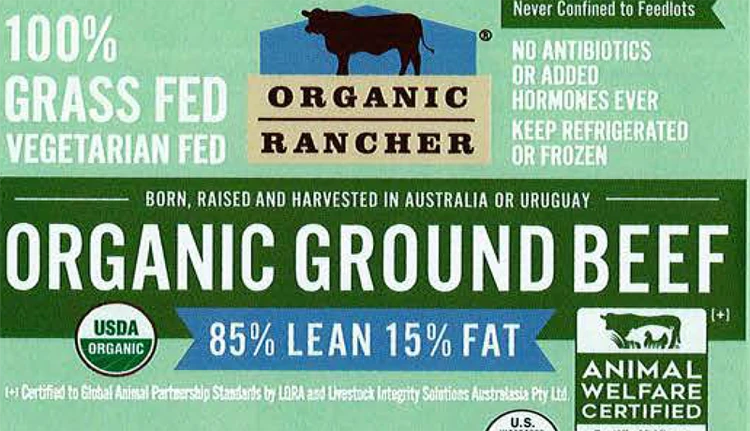
• buy organic beef, which is not fed any of the animal byproducts that can carry the infectious prions, and
• stay away from organ meats -- especially brains - as well as beef sausage, hot dogs, and pre-packaged hamburgers, which may combine meat from many cows.

"While testing alone will not fully protect the public, we should be testing all animals over 20 months, said Hansen. "Even animals that test negative can be silent carriers of this infection."


Report Your Experience
If you've had a bad experience -- or a good one -- with a consumer product or service, we'd like to hear about it. All complaints are reviewed by class action attorneys and are considered for publication on our site. Knowledge is power! Help spread the word. File your consumer report now.

Share

Follow us on Twitter.

FREE CONSUMER NEWSLETTERS

The Daily Consumer
Afternoons M-F

Sign up now!


Consumer News & Alerts
Every Sunday

Sign up now!


CONSUMER NEWS

SAFETY RECALLS

Back to the top |


Custom Search
AUTOMOTIVE
• Dealers
• Manufacturers
• Service
• Extended Warranties
• Lemon Laws
• Recalls
• Tires
• Transporters

FAMILY
• Aging
• Children, Parenting
• Recalls
• Dating
• Education
• Entertainment
• Pets
• Weddings
FINANCE
• Annuities
• Banks
• Credit Cards
• Debt Collection
• Debt Counseling
• Insurance
• Investing
• Loans
• Mortgages
• Payday Loans
• Student Loans
• Tax Prep

HEALTH
• Doctors
• Drugs, Pharmacies
• Health Clubs
• Hearing Care
• Hospitals
• Nursing Homes
• Nutrition, Diets
• Vision Care
• Weight Loss
HOUSE & HOME
• Appliances
• Cookware
• Furniture
• Home Improvements
• Lawn & Garden
• Movers
• Pools & Spas
• Realtors, Rental Agents
• Recalls
• Utilities

ELECTRONICS
• Cable TV/DBS
• Cameras
• Cell Phones
• Computers
• Home Electronics
• Internet Access
• Local Phone Service
• Long Distance
• VoIP
SHOPPING
• In-Home
• Online
• Retail Stores
• Sporting Goods
• Supermarkets
• Telemarketers

TRAVEL
• Airlines
• Bus Lines
• Car Rental
• Cruises
• Hotels
• Travel Agents
• Trains

RESOURCES
• Class Actions
• Complaint Form
• Small Claims Guide
• Lemon Laws
CONSUMER NEWS
• Latest News
• Automotive
• Telecom
• Financial
• Health
• Homeowners
• Scams
• Seniors
• Travel
• More ...

RECALLS
• Automotive
• Children's Products
• Drugs
• Food
• Household Products
• Sporting Goods

ABOUT US
• FAQ
• Privacy Policy
• Advertise With Us
• Newsroom
• Syndication
• Terms of Use

Terms of Use Your use of this site constitutes acceptance of the Terms of Use

Advertisements on this site are placed and controlled by outside advertising networks. ConsumerAffairs.com does not evaluate or endorse the products and services advertised. See the FAQ for more information.

Company Response Welcome If complaints about your company appear on our site, we welcome your response. Please see the Response Form for more information.

For more information, see the FAQ and privacy policy. The information on this Web site is general in nature and is not intended as a substitute for competent legal advice.  ConsumerAffairs.com Inc. makes no representation as to the accuracy of the information herein provided and assumes no liability for any damages or loss arising from the use thereof. 

Copyright © 2003-2009 ConsumerAffairs.com Inc.  All Rights Reserved.    The contents of this site may not be republished, reprinted, rewritten or recirculated without written permission.