Our walk-in shower pick
Kohler LuxStone Walk-in Showers

3.5
196 reviews
- Pros
- Customizable designs; optional safety features; takes up less space
- Cons
- Expensive; complicated installation

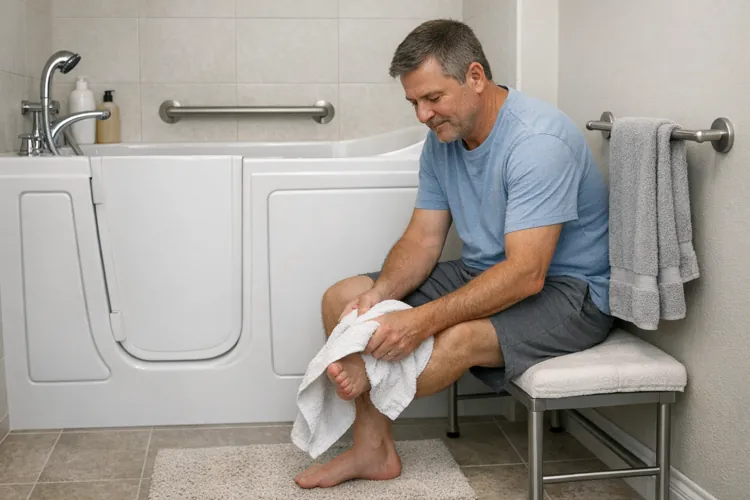
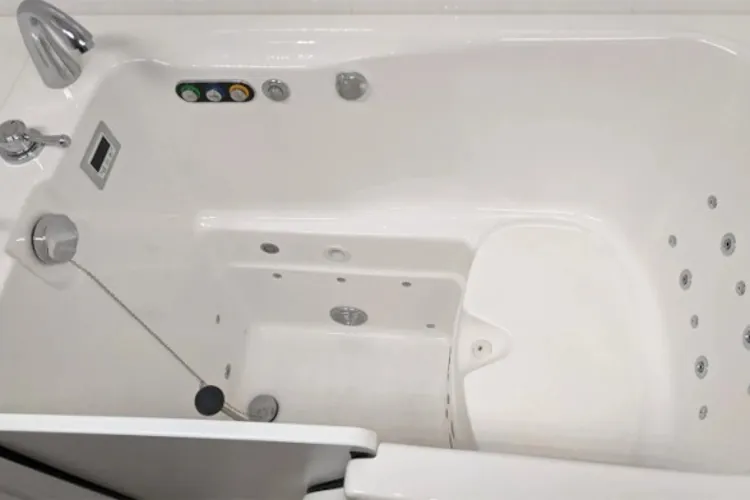
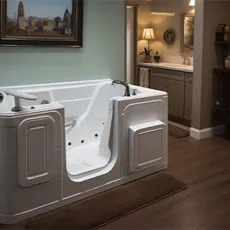
A walk-in tub offers great safety features and therapeutic benefits. However, they come at a hefty price. For example, even basic soaking tubs cost at least $2,000, not including installation. So for many people, including those on Social Security, the cost to buy and install a walk-in bathtub can be prohibitive.
If you have mobility issues and need assistance with bathing, but you’ve ruled out walk-in bathtubs for financial or other reasons, rest assured there are numerous, less expensive options out there for you to try instead.
While walk-in tubs are a nice option for those with mobility issues or disabilities, their hefty expense makes them inaccessible to many people.
Jump to insightThere are many alternatives to walk-in bathtubs that are more affordable, such as a shower chair, a transfer bench or a bath lift.
Jump to insightThese alternatives also generally involve fewer modifications to your bathroom and are less complicated to install.
Jump to insightSo, what are some easier (and cheaper) ways to make bathing safer? Shower grab bars and anti-slip mats can prevent falls once you’re inside the tub, though they aren’t much help with getting in and out of the bath. Instead, consider a transfer bench to help you gain entry to the bath or shower. Or try a shower chair that can help you steady yourself once you’re inside the shower.
A medical alert system is something else to consider, especially if you live alone. It’s more affordable than installing a walk-in tub, and you can find waterproof devices with automatic fall detection.
If it was me, I’d probably just want a shower chair and a shower I could walk into without a step.”
Or, if what you really want is an at-home spa, you might be better off with a hot tub. It won’t solve the problem of getting in and out of the tub, but it does have hot water and jets that can relax aching muscles.
Depending on what you hope to get out of a walk-in tub, one of these alternatives might just do the trick.
» DO YOU NEED ONE? Top walk-in tubs
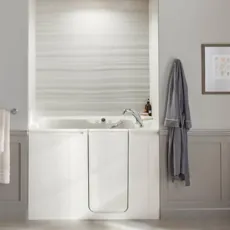
A walk-in shower isn’t much cheaper than a walk-in tub, but it’s a possible alternative for anyone who wants a low step threshold (safer entry) plus more versatile design options. These showers range in cost from $800 to $15,000.
The main difference between a walk-in shower and a walk-in tub is that you can sit or stand once you’re inside the shower. In combination with a rolling shower chair, it could be a practical solution for a safe, wheelchair-accessible bathing space.
A hot tub won’t be the best alternative for everyone. It’s not a solution for safer bathing, but some of the benefits of hot tubs are similar to the perks of walk-in tubs, like massaging jets, built-in LEDs and remote control panels. Depending on the size and style you want, a hot tub could cost anywhere from $2,000 to $16,000.

Compared to the price of walk-in tubs, medical alert costs are relatively affordable (and more transparent). You usually pay a monthly subscription fee, typically $20 to $60.
A medical alert system won’t prevent falls, but it could make it easier to get help if a fall happens in the shower or somewhere else. Depending on which device or watch you choose, feature options might include medical alert apps, fall detection and GPS.
Still, this option doesn't make sense for everybody. Check out some questions to ask about medical alerts before you buy.

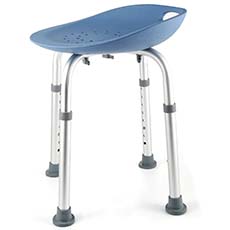
Much like it sounds, a shower chair is a waterproof seat with four legs. These usually cost between $30 and $200. Higher-end models come with backrests and padding for extra comfort.
You can find these online and at stores like Lowe’s, Home Depot and Walgreens. Consider costs, frame materials and weight limits to find the right shower chair for you. They’re usually eligible for flexible spending account (FSA) and health savings account (HSA) reimbursements.
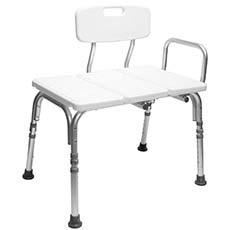
Bath transfer benches make getting in and out of the tub easier. They come with a handle so you can steady yourself as you swing your legs in and slide over into the tub.
A transfer bench generally costs between $50 and $300. Most are eligible for FHA or HSA reimbursements.
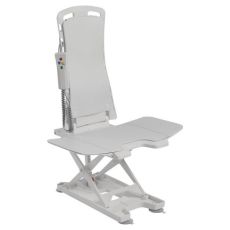
Bath lifts usually have a high back and open sides. Most run on batteries and come with a remote control. Some models recline; others are set in an upright position.
A bath lift is similar to a transfer bench but does more of the work for you. You press a button to raise your seat to the tub’s height to get in or out. For bathing, you can lower the seat into the basin. Bath lifts prices are usually between $300 and $1,000.
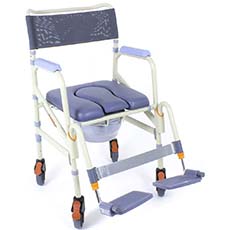
A rolling shower chair is like a transport wheelchair, except it’s waterproof and specifically designed for use while bathing.
This type of chair can be good for anyone with limited mobility issues. It’s also popular among caregivers. Rolling shower chairs cost anywhere from $300 to $1,500.
Some people think getting a walk-in tub will help them stay in their homes longer. It’s typical to want to avoid losing independence, and some aging-in-place modifications can help, including walk-in tubs and stair lifts. Whether or not it’s a strategic investment depends on your long-term care needs.
For more, check out our tips for picking a senior living option.
Both walk-in showers and walk-in bathtubs can be safe options for those with mobility issues. Walk-in tubs come with more therapy options, but they usually take up more space and are often a big investment.
“If it was me, I’d probably just want a shower chair and a shower I could walk into without a step,” Marcy Baskin, vice president of Senior Care Authority, told us. Baskin’s job is to advocate for people as they age.
While walk-in showers and tubs are ideal for seniors, more affordable solutions include bath lifts and benches. Hot tubs are also on the pricey side, but they are more versatile. A medical alert service or assisted living facility could be worth considering for those who live alone or struggle with daily tasks, such as bathing or climbing stairs.
According to Marcy Baskin of Senior Care Authority, it’s extra important to do your homework on these kinds of purchases. If you’re buying for an older loved one, make sure to approach the decision with kindness and sensitivity.
The chance of serious bath- and shower-related injuries increases with age, according to the Centers for Disease Control and Prevention. So, if you (or your loved ones) are starting to feel uneasy, it’s best to make a change — whether that's as simple as upgrading to a nonslip mat and installing grab bars or investing in a walk-in tub.
ConsumerAffairs writers primarily rely on government data, industry experts and original research from other reputable publications to inform their work.