


When to consider a medical alert system
Different lifestyles and health needs can shape how useful a system might be. For example, an active older adult who still enjoys walking or traveling may benefit from a mobile system with GPS tracking. A person with Alzheimer’s or dementia may need features like location monitoring or automatic alerts. A post-surgery patient recovering at home may want temporary support in case of complications or limited mobility.
If you’re unsure whether a system makes sense, use this quick checklist:
- Have you fallen in the past year or worry about falling?
- Do you live alone or spend long periods without assistance?
- Do you have a medical condition that could require urgent help?
- Do you take medications that may cause dizziness or side effects?
- Would you feel more confident knowing help is available at the press of a button?
If you answered “yes” to one or more of these, a medical alert system could offer meaningful peace of mind.
How usable and accessible are they?
When comparing medical alert systems, it’s important to evaluate how easy each device is to use on a daily basis, especially in high-stress situations where quick access to help is critical.
Physical design and comfort
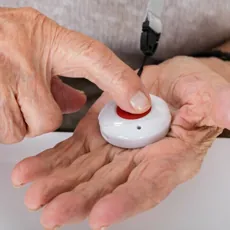
Ease of use is a key factor when evaluating medical alert systems. Devices should have large, easy-to-press buttons, especially for users with limited hand strength or dexterity. Clear, reliable two-way audio is also important so users can communicate with a monitoring center during an emergency without confusion.
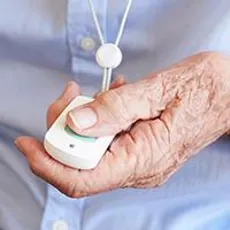
Comfort and wearability should be considered for daily use. Traditional pendant-style devices are lightweight and simple, while smartwatch-style systems offer a more modern design and additional features like mobile connectivity. However, smartwatches may require more frequent charging and a higher level of familiarity with technology.
Setup requirements vary by provider. Some systems offer plug-and-play base units, while others require app-based setup or caregiver involvement. In general, simpler setup and minimal maintenance can improve long-term usability.
Accessibility accommodations
Medical alert systems often include features designed to support users with different accessibility needs. For individuals with hearing impairments, visual alerts such as flashing lights or on-screen notifications can indicate when an alert has been triggered or help is on the way. Adjustable volume and compatibility with hearing aids may also improve usability.
For users with vision impairments, tactile buttons and audible prompts can make devices easier to operate without relying on sight. Voice-guided instructions may also assist with navigation and use.
Users with limited mobility may benefit from automatic fall detection, which can send an alert without requiring manual activation. Some systems also offer voice activation or caregiver monitoring apps, allowing others to check in or respond if needed.
Overall, the most effective systems prioritize straightforward design and accessible features, helping ensure users can quickly get assistance when it matters most.
How is the medical alert device worn?
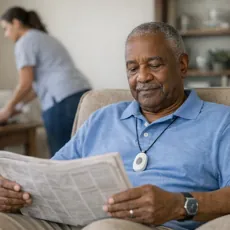
Some medical alert devices are small and slim, while others are bigger and bulkier. How you wear a device varies based on the type you choose. Wearable devices come as bracelets or pendants or can attach to your clothing.
How is the device monitored?
Medical alert devices come monitored or unmonitored. A monitored device alerts an agent during an emergency, like if you have a heart attack or stroke, or in other situations when you might need help, including being locked out of your home or getting lost. Once the call center is alerted, agents can provide assistance or contact emergency personnel who can help.
How the call center is alerted depends on the device and system. Some monitored medical alert devices can sense when a patient falls or if their vitals change, which would cause an alert. Other monitored devices require the user to push a button to alert the call center. Monitored medical alert devices provide around-the-clock assistance and have agents available 24/7.
Unmonitored medical alert devices often don’t have access to a call center — instead, you program the numbers of friends, family members, neighbors and caregivers into the device. If you need assistance, you have to push a button to call the preprogrammed numbers. Some unmonitored medical alert devices may contact a call center if the numbers you’ve added go unanswered, but you might have to pay an additional fee when this happens.
What is the range?
Your medical alert device's range will vary based on whether it uses Wi-Fi, a landline or a cellular connection. It also depends on the device and the monitoring company.
Landline medical alert systems provide a smaller effective range. The devices only work when they’re within a specific distance from the base unit, which is connected to a landline. The distance you can move from the base unit varies depending on the equipment — the average range for a landline medical alert system is between 600 and 1,000 feet.
Mobile medical alert systems provide versatility — if the device can connect to a mobile or cellular network, it can access the monitoring call center. The wider range of a cellular medical alert system helps monitor individuals both at home and while away.
What is the battery life?
The battery life of your medical alert device will vary based on the make and model of the equipment you use. Some medical alert system devices have nonrechargeable, nonreplaceable batteries. These devices come with one battery that doesn’t need to be recharged. Unfortunately, with these medical alert devices, when the battery does run out of charge, you often have to replace the entire device instead of just the battery.
Rechargeable batteries are also commonly used in medical alert devices. These batteries require regular charging in order to operate properly. Devices with these batteries often only need to be charged every 48 to 72 hours. A rechargeable battery can be replaceable or nonreplaceable, depending upon the device.
Does the system come with fall detection?
Some medical alert devices come with a fall detection feature. These devices use a built-in sensor to detect any sudden movements that are consistent with a fall. If the device believes a fall may have occurred, it alerts the monitoring call center. Upon alert, the call center may attempt to contact you to see if you’re in need of assistance, contact a preprogrammed third party or call emergency services.
Fall detection is helpful for individuals at risk of falls that could leave them unconscious. The fall detection feature automatically alerts the call center, which can then send necessary help.
How much does a medical alert system cost?
Multiple factors influence the cost of a medical alert system. You should consider equipment cost, monthly service rates, installation fees, shipping fees and the security deposit (if applicable) when thinking about the overall cost of a medical alert system.
Costs for medical alert systems vary not only by company but also by device and service plan. When considering the cost of a medical alert system, ask how much is required upfront and how much you’ll be charged monthly or annually. This lets you know how much you need to spend to get started and how much the system will cost you only on a monthly or yearly basis.
For more, read about the costs of aging in place or explore more topics related to elder care planning.
What happens in the event of a power outage?
Landline medical alert systems need to be able to connect to the base unit to provide monitoring services. During a power outage, the base unit loses its connection to electricity and may not operate properly.
To prevent you from losing access to monitoring services, many landline medical alert systems have a built-in battery that automatically starts working when the power goes out. This provides coverage even when there’s no electricity.
Another outage-related issue to consider is the phone company’s landline. If the landline goes down and the base device doesn’t have a backup option, such as connecting to a cellular/mobile network, you’ll be without coverage until the landline is restored.
FAQ
Do medical alert systems have features to help locate a loved one?
Some medical alert companies offer features to help locate a loved one, usually through an app. This feature uses GPS to show the location of the medical device if the individual using it is lost or unresponsive. The GPS coordinates can be sent to loved ones, caregivers or emergency services to help find the individual.
Not all medical alert devices have GPS options, so make sure the equipment you use has a GPS system if it's an important feature to you.
Can a medical alert device be worn in the shower or bath?
Only water-resistant medical alert devices can be worn in the bath or shower. Be sure to ask the company if the device you're considering is water-resistant if that's an essential feature for you.
Is a contract required for a medical alert system?
A contract will clearly outline how much you pay for services, equipment rental and any other services. It will also detail the length of time it’ll take the company to provide services. Cancellation fees are also outlined in the contract.
Most medical alert companies require the subscriber to sign a contract for services. The details and length of the contract vary by company, the device used and the type of services you choose.
Article sources
ConsumerAffairs writers primarily rely on government data, industry experts and original research from other reputable publications to inform their work. Specific sources for this article include:
- Centers for Disease Control and Prevention, “Facts About Falls.” Accessed May 5, 2026.