

How does solar energy work?
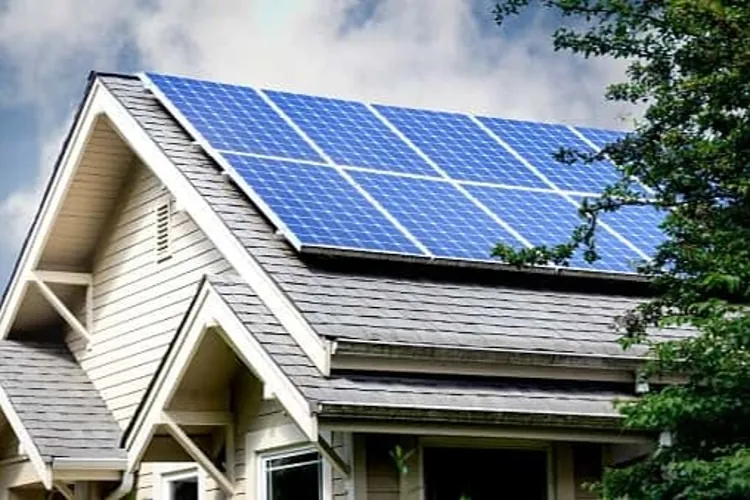
Solar (or electromagnetic) radiation is light that comes from the sun. Solar panels capture this light and turn it into energy that can be used to power household lights, appliances, air conditioning units and more.
Solar panels used in residential settings are called photovoltaic (PV) solar panels. The sun creates waves and particles called photons. When these photons hit solar panels, they generate electrons, which we can use as electricity. This process is called the photovoltaic effect.
Here’s a breakdown of how PV panels work:
- The panels absorb light into individual PV cells.
- The silicon layers create an electric field. At the junction between the layers, one side has a negative charge, and the other is positive. The electrons flow out of the junction and create an electric current.
- The current is sent through wires to a solar inverter, where it’s converted from direct current (DC) to alternating current (AC) power, which is the kind your home’s electrical system uses.
If your solar panel system generates extra energy, you can store it in a solar battery for later use during low-sun times, such as winter or nighttime. If you don’t have a battery, you may be able to sell the excess power from your grid-tied system to your local electric company through net metering.
One thing to consider when choosing panels is whether you want a system that uses microinverters or string inverters to produce energy. Microinverters make sense for most residential systems because they let you monitor each panel’s power production.
A SunPower reviewer on our site said about their panels, for instance: “The performance of the SunPower system has been outstanding, especially due to the integrated microinverters that minimize shading losses. I would recommend Sunpower products to anyone without hesitation.”
» MORE: Best solar panels
Components of solar panels
Solar panels include a few different components, each with an important job for generating AC electricity to power your home.
- Solar cells: The PV cells are the panel parts that absorb sunlight and generate electricity.
- Glass casing: Protects the solar cells from damage.
- Anti-reflective coating: Reduces reflection and increases light absorption.
- Back sheet and insulation layer: Creates a moisture barrier and protects the cells against humidity and heat.
- Bus wire: Carries electrical current between solar cells.
- Junction box: Shields electrical connections and ensures a safe transfer of current.
Factors that affect solar panel electricity output
You can purchase solar panels designed to produce a certain number of kilowatts at maximum efficiency, but your actual electricity output can vary based on factors including:
- Temperature. Solar panels perform best at lower temperatures. So even though your panels have more hours to absorb sunlight in the summertime, if you live somewhere with extremely high temperatures, your panels may not be as efficient as they could be.
- Shade. Trees or neighboring structures that cast a shadow over your solar panels can prevent the full amount of available sunlight from reaching them.
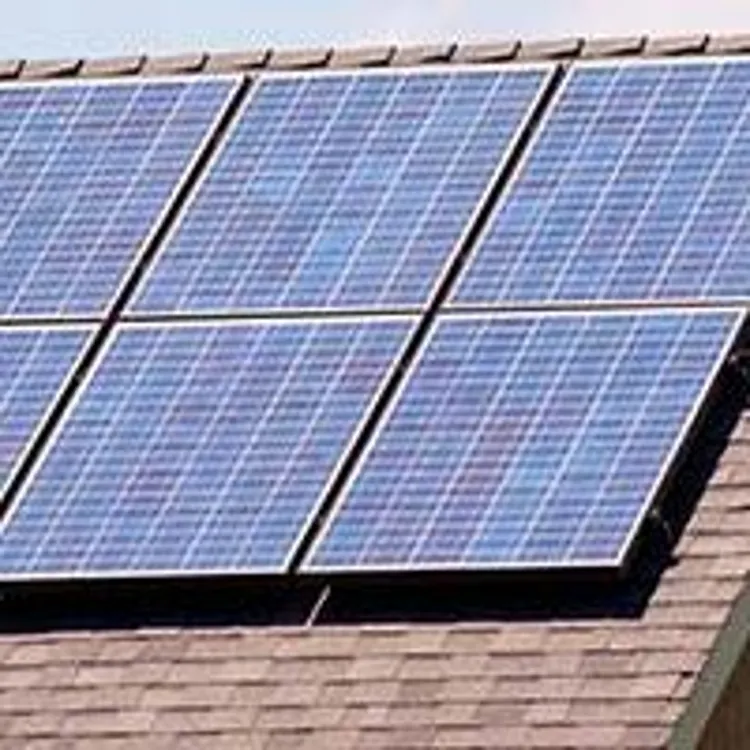
- Reflection. The most efficient solar panels have cells that look black or dark blue, due to their anti-reflection coating. This coating helps reduce the amount of light that’s reflected away from the cell’s surface.
- Solar panel type. Monocrystalline solar panels generally tend to be more efficient than their polycrystalline counterparts. Learn more about them in the section below.
How solar panels are made
A solar panel is like a sandwich made of smaller sandwiches: On the outside, a metal frame houses layers of material. The first layer is usually glass or plastic to protect the smaller sandwiches inside. The smaller sandwiches are the solar cells, which consist of two silicon layers with a junction area in the middle.
Metal plates are added to each side of the solar cells to capture the electricity the cells produce. The plates are connected to wires that send the electricity to an inverter.
There are three types of PV solar panels: monocrystalline, polycrystalline and thin-film. A major difference between them is how the silicon is used during production.
- Monocrystalline panels are made from one sheet of pure silicon. They’re the most efficient of the three panel types, but typically a bit more expensive.
- Polycrystalline panels are made from pieces of silicon. The production process is easier, making these panels more affordable. The silicon pieces hidden inside a sheet make these panels less efficient than monocrystalline panels, though.
- Thin-film panels use thin layers of noncrystalline silicon or other photon-absorbing material attached to a substrate. These are often the cheapest option, but they’re also much less efficient — and less durable. Thin-film panels aren’t recommended for residential power.
» MORE: Types of solar panels
Solar panel durability
Solar panels are made to last decades. The average roof-mounted solar panel can last around 25 to 30 years. Components like the back sheet and insulation layer ensure solar panels remain durable and protected against humidity and heat buildup. Many panels are made to withstand high winds, drenching rains and hail up to 1 inch in diameter.
It’s important to know, though, that solar panels slowly lose efficiency over time. Typically, newer panels lose around 0.2% to 0.3% efficiency per year.
Solar panel pros and cons
“Energy costs are at an all-time high, and by going solar, people can save money on their electricity bill now and, more importantly, protect themselves from future price increases,” Asim Hafeez, the president of Empower Energy Solutions, a renewable energy company in Connecticut, told us.
There’s no doubt going solar is a great way to help the environment and lower your energy bills, but there are several things to consider before making the switch.
Solar panel pros
According to Hafeez, solar is great for saving so you can “pay off bills/debt, help contribute to [your] retirement or do more of the things [you] love (family dinners, date nights, vacations). Solar is the same electricity people are used to — just less expensive and better for the environment."
- Solar power can lower electricity bills or completely eliminate them.
- A solar home’s energy consumption puts less strain on the power grid, reducing the likelihood of brownouts and blackouts and having less negative environmental impact.
- Installing solar can increase the value of your home.
- Charging an electric vehicle (EV) with solar power won’t significantly increase your electric bill.
- Depending on where you live, you may be able to benefit from tax credits or incentives by buying a solar energy system.
Solar panel cons
While powering your home with solar energy helps create a more sustainable future, there are some potential downsides:
- Solar panel arrays can be expensive.
- You may not get all your home’s power from solar — factors such as tree coverage or excessive shade can prevent panels from providing enough electricity to meet your needs.
- Unless you extend your warranty, you’re responsible for maintenance and repair costs, which may be expensive if a major component fails, according to Greg Fasullo, former CEO of Elevation, a provider of clean energy and home efficiency solutions.
- Depending on where you live, how your local utility credits your bill when you give excess solar energy back to the grid varies.
» MORE: Solar energy pros and cons
FAQ
Do solar panels save money?
Yes, though you may not see the savings right away. Solar panels can take six to 10 years to pay for themselves, but after that, you might save the entirety of your electric bill.
How much do solar panels cost?
A solar energy system can cost between $14,000 and $28,000 depending on your home’s needs. But you may be eligible for a tax credit or other financial incentive through your state, which could lower your overall solar panel cost.
Can you build your own solar panels?
Yes, technically you can build your own solar panels. There are many online tutorials that can guide you through the process. However, connecting your system to the grid may require a professional electrician’s help.
Do solar panels work at night?
No, solar panels don’t collect light for energy at night. For nighttime power, home solar systems draw electricity from the power grid or use a battery that stores excess solar power during the day.
Will solar panels work on cloudy days?
Yes, solar panels can still generate electricity when it’s cloudy. However, they may not produce as much power as they would on a sunny day.
Article sources
ConsumerAffairs writers primarily rely on government data, industry experts and original research from other reputable publications to inform their work. Specific sources for this article include:
- U.S. Energy Information Administration, "Solar generation was 3% of U.S. electricity in 2020, but we project it will be 20% by 2050." Accessed June 9, 2026.
- United States Department of Energy, "How Does Solar Work?" Accessed June 9, 2026.
- United States Department of Energy, "Solar Photovoltaic Technology Basics." Accessed June 9, 2026.
- United States Department of Energy, "Solar Photvoltaic Performance and Efficiency Basics." Accessed June 9, 2026.