
What is solar energy?
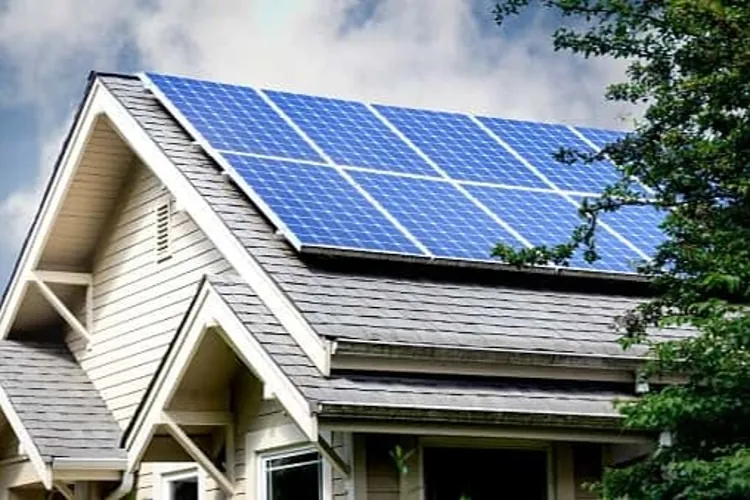
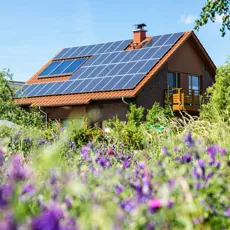
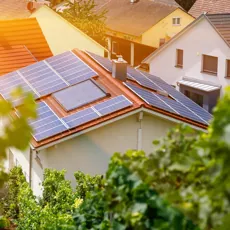
Solar energy is energy harnessed from the sun’s light and heat. Solar panels are designed to capture solar energy and convert it into the type of electricity we use in our homes. According to the University of California, Davis, the amount of solar energy that hits the Earth in one hour is enough to power the world for a whole year. This abundance, and the fact that solar energy is the cleanest energy source, has played a role in solar power becoming a more popular energy choice.
Solar panels are designed to work in all climates, but they aren’t always effective, depending on tree coverage.
Despite the rising popularity, residential solar panels aren’t the best fit for every home. Before investing in a solar photovoltaic (PV) system, consider the pros and cons of solar energy and whether it aligns with your budget, lifestyle and long-term goals.
Solar energy advantages and disadvantages
There are many advantages and disadvantages to think about when considering investing in solar energy for your home. While solar panel technology is constantly improving, it’s not perfect yet. Many of the pros and cons of solar energy present a tradeoff between long-term benefits and short-term costs and considerations.
Pros
- Reduced energy bills
- Financial incentives
- Energy independence
- Reduced carbon footprint
- Longevity and little maintenance
Cons
- High initial cost
- Weather dependence
- Can’t move with you
- Limitations from your surroundings
- Inconvenient in areas with limited space and roof suitability
Advantages of solar panels
The advantages of residential solar panels range from immediate electricity bill savings to long-term environmental benefits.
Reduced electricity bills
Using solar energy instead of traditional energy sources can result in significant financial savings. Over a 20-year period, you could save anywhere from $15,000 to more than $80,000, depending on your state, home size and electricity usage.
Unlike paying utility bills, paying off a solar panel system gets a return on investment. Solar energy can often be sold back to the grid through utility net metering programs, so you have the potential to earn while you save.
ConsumerAffairs reviewer Andy from California considered solar panels to reduce electricity bills and was pleased with the result. “It would save me money in the long run of what it cost to buy electricity from Edison,” he said. “When they raise prices, my price will be pretty standard. … I have the app on my phone and it shows me how much I generate per day, per month and annually.”
» LEARN MORE: Is solar worth it?
Financial incentives
The 30% federal solar tax credit expired at the end of 2025 as a result of the “One Big Beautiful Bill Act.” However, there are still a variety of state, local and utility-based solar incentives that can help to lower the upfront costs. Common types of incentives include tax credits, rebates and sales tax exemptions. Some states also offer financial assistance programs for income-qualifying households.
Financial incentives vary by state, so it’s important to search for benefits in your area if you’re considering investing in solar panels.
» DISCOVER: Solar incentives by state
Energy independence
Electricity rates across the U.S. increased by nearly 32% from 2020 to 2025, and rates have continued rising into 2026. Installing solar panels lets homeowners reduce their reliance on the power grid and gain more control over their long-term energy costs.
If you pair battery storage with your solar system, your PV system could continue to provide backup power during outages. In some cases, homeowners may even choose an off-grid solar panel system to achieve greater energy independence.
Reduced carbon footprint
Solar panels generate electricity without giving off any dangerous emissions. While there is a certain amount of carbon dioxide produced during the manufacturing and distribution process, the energy produced from solar panels is clean and free of pollutants and greenhouse gas emissions.
The average U.S. home produces 8,744 pounds of carbon dioxide each year, according to the Environmental Protection Agency. By installing solar panels, you can reduce your carbon footprint by more than 3,000 pounds annually.
Longevity and little maintenance
Most systems last for 20 or more years. During that time, solar panels and equipment require little maintenance. The solar energy company you choose can help you understand what exactly is required for maintenance.
Some providers offer self-cleaning systems for their panels because dirt and dust can reduce the output significantly. Solar energy technology is constantly improving, so solar panels that are the same size as last year's are even better today.
Disadvantages of solar panels
While there are a range of enticing benefits to solar panels, homeowners should also consider the high upfront investment and geographic constraints. Solar panels may not be the right fit for your home if the following disadvantages outweigh the advantages.
High initial cost
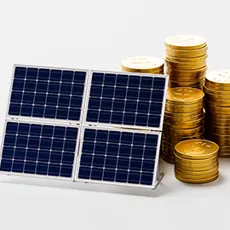
While a reduced electric bill is an advantage, the average cost to install solar panels is between $13,962 and $27,924 in 2026. Costs tend to fluctuate by state and the required system size. The bulk of the initial cost comes from the panels themselves, but you’ll also need to factor in additional materials (inverters and mounting equipment), labor and permitting costs.
Additionally, many homeowners who buy a solar array choose to add battery storage. A solar battery stores extra power generated by the solar system, which you can use at night or when the grid is down. However, solar batteries can cost anywhere from $7,000 to $18,000, which significantly increases the total price of the system.
Weather dependence
The most important element for solar panels is the sun. If you live in an area prone to cloudy days for an extended period, the solar system may not produce enough electricity for your household. Additionally, your system will likely be less productive in winter months than in summer months. For this reason, most households with solar panels remain connected to the power grid so they can pull electricity when their system doesn't produce enough.
Inability to move with you
Practically speaking, once a solar energy system is installed on a home or business, it's nearly impossible to transport. Theoretically, it is possible to transfer PV solar panels if you move into a new home, but it’s rarely advised. The system would have to be dismantled from your roof and retrofitted to your new property, which would likely cause extensive damage to both your panels and your roof. The value of the house also increases with the solar installation, so you should be able to recover most of the cost if you leave your solar panel system for the next owners.
Limitations from your surroundings
As the solar energy industry continues to grow and offer more nationwide services, most solar energy companies service a particular geographic region or even just one state. So, if you live outside solar energy companies' coverage area, you could have difficulty finding solar options near you.
Inconvenience in limited space and roof suitability
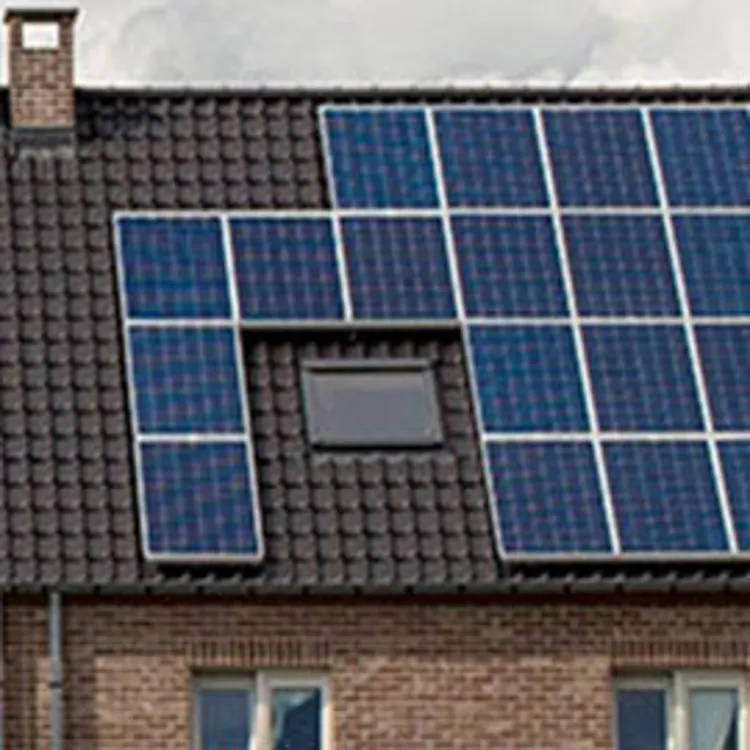
A solar system requires a decent amount of space to install the equipment and have everything run smoothly, so solar panels might be inconvenient in areas with limited space. About 100 square feet of roof space is required for every 1 kW of conventional solar panels. If you have limited space or a small roof, you might not have the space for all the solar panels needed to power your entire house.
Your roof’s condition and design can impact how effective solar panels will be. Roof orientation and pitch can determine whether solar panels would work efficiently or not. Similarly, an older or damaged roof may not be suitable for installation. Since solar panels typically last 25 years or longer, homeowners may need to repair or replace their roof before investing in solar.
Should I install solar panels?
If you’re weighing the pros and cons of solar energy, it’s important to think about whether a solar panel system makes sense for your home and energy usage habits. Ask yourself the following questions before making a decision:
- Do you want a solar array that can generate enough electricity to completely cover your household energy usage?
- What is the climate like in your area? Do you generally have more sunny days than cloudy days?
- Are there solar incentives in your state? Does your utility company offer a net metering program?
- Do you plan to move in the near future?
- Is your roof in good condition? Will it need to be replaced in the next 20 years?
Overall, solar panels may be right for you if you’re looking for a way to save on energy expenses in the long run. While upfront installation costs can be high, most households end up earning a return on their investment within 13 years. Because well-maintained solar panels can run efficiently for more than 25 years, you could see substantial energy savings well into the future.
However, if your roof is unsuitable for solar panels, you plan to move in the coming years or you aren’t comfortable with the upfront cost, purchasing a solar panel system may not be the right move for you.
Consider your total budget and energy goals. From there, you can contact a legitimate solar energy company to find out what makes the most sense for your home.
FAQ
How much can I potentially save by using solar energy?
Over a 20-year period, you could save anywhere from $15,000 to more than $80,000. Your savings will vary depending on your state, the size of your home and how much electricity you use.
Can I receive financial support from the government for installing solar panels?
You could qualify for state and local tax benefits when you install solar panels in your home or business. The federal solar tax credit has expired, but rebates and other solar incentives can help to offset the initial cost.
How does the use of solar panels impact the value of my home?
Installing solar panels can increase the value of your home. Prospective buyers may be attracted to the prospect of lower utility bills and a reduced carbon footprint. However, the exact impact on home value can vary depending on the size of the installation and the energy costs in your area.
» LEARN MORE: Do solar panels increase home value?
Article sources
ConsumerAffairs writers primarily rely on government data, industry experts and original research from other reputable publications to inform their work. Specific sources for this article include:
- Environmental Protection Agency, “Assumptions and References for Household Carbon Footprint Calculator.” Accessed May 22, 2026.
- University of California, Davis, “What is Solar Power?” Accessed May 22, 2026.
- Energy Sage, “How much money do solar panels save in 2026?” Accessed May 22, 2026.
- U.S. Energy Information Administration, “Electricity Data Browser.” Accessed May 22, 2026.